
Salesforce can transform the way nonprofits and government organizations manage programs, serve communities, coordinate teams, and report on outcomes. But launching Salesforce the right way takes more than choosing the right tools. It requires a clear strategy, well-designed workflows, clean data, thoughtful change management, and a system built around the people who will use it every day.
That is where a Salesforce implementation consultant comes in.
A Salesforce implementation consultant helps organizations plan, configure, launch, and improve Salesforce so it supports real-world operations and long-term goals. For mission-driven organizations, this role is especially important. Nonprofits, health and human services providers, and state and local government agencies often manage complex programs, sensitive data, multiple funding streams, and diverse stakeholder needs. The right consultant helps turn Salesforce into a practical, mission-aligned platform that improves service delivery and strengthens impact reporting.
What Is a Salesforce Implementation Consultant?
A Salesforce implementation consultant is a strategic and technical partner who helps organizations successfully launch Salesforce or improve an existing Salesforce environment. Their role is to understand your organization’s goals, assess your current processes, design the right solution, configure the platform, support data migration, train users, and guide adoption.
For nonprofits and government agencies, this work is especially important because operations are often complex. Teams may manage multiple programs, serve diverse populations, coordinate with community partners, track grant requirements, and report outcomes to funders or public stakeholders.
A Salesforce implementation consultant helps ensure Salesforce is built around those realities instead of forcing your team into a generic system.

Why Nonprofits and Government Organizations Need Salesforce Implementation Consulting
Salesforce offers a powerful suite of cloud-based tools designed to meet the unique needs of mission-driven organizations. Whether you are engaging communities, coordinating field teams, or managing complex data systems, these solutions can help streamline operations, drive efficiency, and improve outcomes across every function.
However, the value of Salesforce depends heavily on how well it is implemented. Without the right planning, organizations may end up with disconnected data, confusing workflows, low user adoption, or reports that do not reflect real program impact.
That is where Salesforce implementation consulting becomes essential.
A strong consulting partner helps your organization:
Clarify goals before configuration begins
Align Salesforce with real-world service delivery models
Improve data quality and reporting
Reduce manual work and duplicate entry
Connect programs, departments, and systems
Prepare staff for successful adoption
Build a scalable foundation for future growth
Key Responsibilities of a Salesforce Implementation Consultant
A Salesforce implementation consultant supports each stage of the implementation process, from early strategy through post-launch optimization. While every project is different, most consultants help with the following core areas.
1. Understanding Your Organization’s Goals and Mission
Before any technical work begins, Salesforce implementation consultants work to understand what your organization is trying to achieve.
For a nonprofit, that may include improving client intake, strengthening donor engagement, tracking program outcomes, or simplifying grant reporting. For a state or local government agency, it may include coordinating services across departments, improving constituent engagement, or creating more transparent reporting.
A consultant will typically explore questions such as:
What programs, services, or departments will use Salesforce?
What pain points exist in your current systems?
What data do staff need to capture?
What reports do leaders, funders, or government stakeholders need?
Which workflows should be automated?
What does success look like after launch?
This discovery process helps ensure Salesforce is not just technically functional, but mission-aligned.
2. Mapping Current Processes and Improving Workflows
One of the most valuable things a Salesforce implementation consultant does is help organizations evaluate their current processes before rebuilding them in Salesforce.
Many organizations rely on spreadsheets, legacy databases, paper forms, email chains, or disconnected systems. A consultant helps identify what is working, what is slowing teams down, and where Salesforce can create a better experience.
This may include improving workflows for:
Client intake and eligibility screening
Case management
Program enrollment
Service referrals
Field team coordination
Grant tracking
Donor and volunteer management
Outcome measurement
Compliance reporting
The goal is not simply to recreate old processes in a new platform. The goal is to design smarter, clearer workflows that help staff spend less time managing systems and more time advancing the mission.
3. Designing a Salesforce Solution That Fits Your Organization
After discovery and process mapping, the consultant helps design the Salesforce environment. This includes determining which Salesforce tools, objects, fields, automations, integrations, reports, dashboards, and security settings are needed.
For nonprofits and government organizations, this design phase is critical. Your Salesforce solution may need to support multiple programs, funding streams, service models, user roles, and reporting requirements.
A consultant helps answer important design questions, such as:
How should data be structured?
Which teams need access to which records?
What information should be required at each stage of a process?
What automations can reduce administrative burden?
How should dashboards be organized for leadership, program managers, and frontline staff?
Which external systems need to connect to Salesforce?
Effective Salesforce implementation consulting balances today’s needs with tomorrow’s growth. The system should be practical enough for immediate use and flexible enough to evolve as your organization expands.
4. Managing Data Strategy and Migration
Data strategy is one of the most important parts of any Salesforce implementation. Nonprofits and government agencies often manage sensitive, complex, and historically fragmented data. Moving that information into Salesforce requires careful planning.
A Salesforce implementation consultant can help with:
Data assessment
Data cleanup planning
Field mapping
Duplicate management
Migration strategy
Data validation
Reporting readiness
Privacy and access considerations
This is especially important for Health and Human Services organizations, where data may relate to housing support, behavioral health services, workforce development, aging care, early childhood programs, or other highly personal areas of service.
A thoughtful data strategy helps organizations trust the information in Salesforce and use it to make better decisions.
5. Configuring and Customizing Salesforce
Once the solution design is approved, the consultant helps configure Salesforce to support your organization’s workflows. Depending on the project, this can include standard Salesforce configuration, custom development, integrations, automation, reporting, and user permissions.

Common configuration tasks include:
Creating custom fields and objects
Building page layouts and record types
Setting up user roles and permissions
Creating intake forms and workflows
Automating tasks and notifications
Configuring reports and dashboards
Connecting Salesforce with other systems
Supporting mobile or field-based access needs
A skilled Salesforce implementation consultant knows how to customize Salesforce without overcomplicating it. The best implementations are structured, scalable, and easy for staff to use.
6. Supporting Change Management and User Adoption
A successful Salesforce launch depends on people, not just technology. Even the best-designed system can fall short if staff do not understand it, trust it, or see how it helps their daily work.
Salesforce implementation consultants help organizations prepare users for change by supporting:
Stakeholder engagement
Communication planning
Training
Documentation
User testing
Feedback collection
Launch support
Post-launch coaching
For nonprofits and government organizations, change management is especially important because teams may include frontline staff, administrators, managers, executives, partner organizations, volunteers, and external stakeholders.
Good Salesforce implementation consulting helps make the transition feel manageable and meaningful.
7. Building Reports and Dashboards That Tell Your Impact Story
Mission-driven organizations need more than operational data. They need clear, reliable insight into outcomes.
A Salesforce implementation consultant helps build reports and dashboards that make it easier to understand performance, track services, monitor funding requirements, and communicate impact.
These dashboards may help organizations answer questions like:
How many individuals or families are being served?
Which programs have the highest demand?
Where are service bottlenecks occurring?
What outcomes are being achieved?
How are grants being used?
Which communities need additional support?
What data do funders and public stakeholders need to see?
When Salesforce is implemented well, reporting becomes less reactive and more strategic. Leaders can make informed decisions, program teams can identify gaps, and organizations can better tell their impact story.
8. Integrating Salesforce With Other Systems
Most nonprofits and government agencies rely on more than one platform. Salesforce may need to connect with systems for accounting, fundraising, forms, communications, document management, analytics, or external partner portals.
A Salesforce implementation consultant helps identify which integrations are needed and how data should flow between systems.
This can reduce duplicate entry, improve accuracy, and give teams a more complete view of the people, programs, and communities they serve.
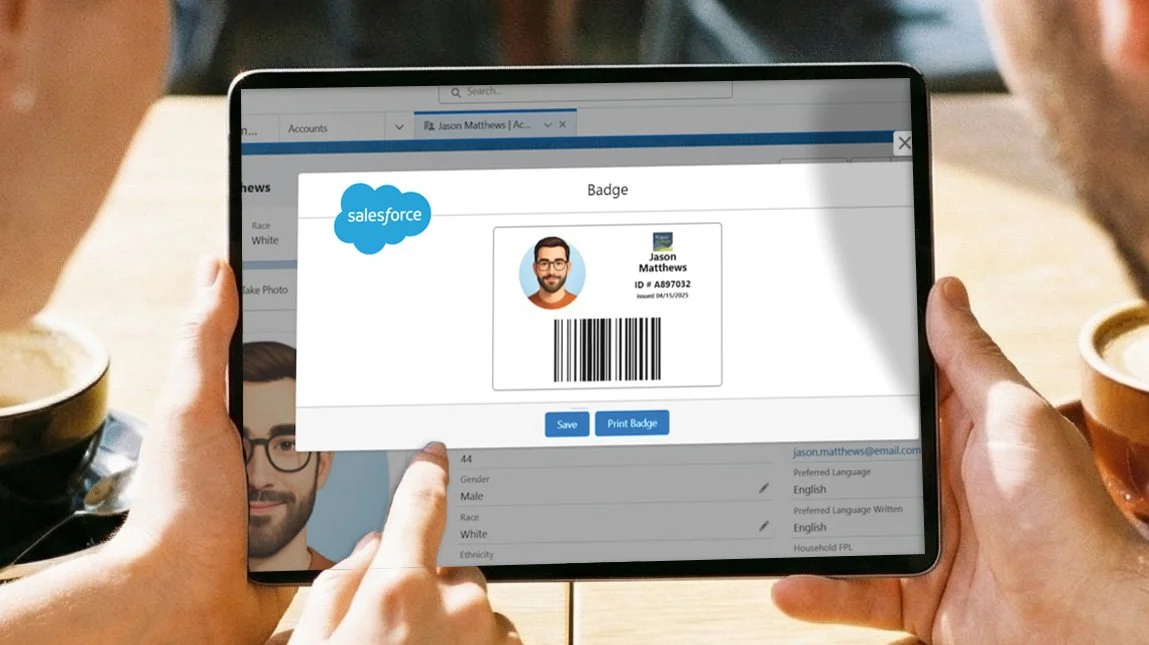
9. Preparing for Long-Term Salesforce Success
A Salesforce launch should not be treated as a one-time technical project. As programs change, funding requirements evolve, and organizational needs grow, Salesforce should continue to evolve as well.
Salesforce implementation consultants help create a foundation for long-term success by documenting decisions, training internal administrators, establishing governance practices, and identifying future optimization opportunities.
This may include guidance around:
Data governance
Release planning
User feedback loops
System maintenance
Managed services
Future enhancements
Ongoing reporting improvements
The right consultant helps your organization launch Salesforce with confidence while preparing for what comes next.
How Salesforce Implementation Consultants Help Organizations Launch Salesforce Right
For nonprofits and government agencies, “launching Salesforce right” means building a system that is useful, trusted, and aligned with mission outcomes.
A strong Salesforce implementation consultant helps your organization avoid common mistakes, such as:
Starting configuration before defining goals
Migrating messy or incomplete data
Overcustomizing the platform
Ignoring user adoption
Building reports too late in the process
Failing to plan for integrations
Treating implementation as only an IT project
Designing a system that cannot scale
Instead, the right consultant brings structure, strategy, and experience to every step of the project.
What to Look for in a Salesforce Implementation Consultant
Choosing the right Salesforce implementation partner matters. For mission-driven organizations, it is not enough to find someone who understands Salesforce technically. You need a partner who understands your sector, your funding environment, your service models, and your impact goals.
Look for Salesforce implementation consultants who offer:
Experience with nonprofits, public sector agencies, or Health and Human Services organizations
Strong discovery and strategic planning skills
Process optimization expertise
Data migration and data strategy experience
Change management support
Reporting and dashboard development
Systems integration capabilities
Long-term managed services or optimization support
A collaborative approach that centers your mission
The best Salesforce implementation consulting partner will help you make thoughtful decisions, avoid unnecessary complexity, and build a solution your team can actually use.
How Provisio Supports Salesforce Implementation Consulting for Mission-Driven Organizations
Provisio is a Salesforce Implementation Partner exclusively serving Health and Human Services organizations nationwide. We work with nonprofits and state and local governments in areas such as housing and shelter, workforce development, mental and behavioral health, aging care, and early childhood.
Our team helps mission-driven organizations implement technology that creates better outcomes for the people they serve while improving their ability to tell a clear, compelling impact story to funders.
As a trusted Salesforce implementation partner, Provisio collaborates closely with organizations to design and deploy tailored solutions that align with their goals, workflows, and community needs. Our Salesforce implementation services go beyond technical setup. We provide a roadmap for long-term success, helping ensure your system drives meaningful impact from day one.
Our services include:
Strategic planning
Process optimization
Change management
AI adoption
We advance your mission by streamlining processes, revealing holistic data-driven insights, and guiding a culture of innovation across your organization. Our technology solutions and strategic guidance improve services including case management, program management, grants management, fundraising, and more.
Why Choose Provisio as Your Salesforce Implementation Consultant?
Provisio understands that Health and Human Services organizations need more than software. They need systems that reflect how real people receive services, how staff coordinate care, how programs measure outcomes, and how leaders report impact.
When you partner with Provisio, you gain a Salesforce implementation consultant team that understands the complexity of mission-driven work. We help organizations move from disconnected systems and manual processes to streamlined, data-informed operations.
Our Salesforce implementation consulting approach focuses on:
Aligning technology with your mission
Designing solutions around your actual workflows
Improving data visibility across programs
Supporting staff through change
Helping leadership make better decisions
Creating scalable systems for future growth
Whether your organization is launching Salesforce for the first time or improving an existing environment, Provisio can help you build a stronger foundation for service delivery, reporting, and long-term innovation.
Launch Salesforce With the Right Partner. Contact Provisio Today to Get Started
A Salesforce implementation consultant helps nonprofits and government organizations turn Salesforce into a practical, mission-aligned system that supports better operations and stronger outcomes. From strategic planning and process design to data migration, configuration, training, and long-term optimization, the right consulting partner can make the difference between a difficult software rollout and a successful transformation.
For growing, mission-driven organizations, Salesforce implementation is not just about technology. It is about creating systems that help teams work smarter, serve communities better, and show the full impact of their work.
Ready to launch Salesforce the right way? Contact Provisio today to chat with a consultant and see how we can help your organization design, implement, and optimize Salesforce for lasting mission impact.
FAQs
-
Hiring a Salesforce implementation consultant helps reduce implementation risks, avoid costly configuration mistakes, and improve user adoption. A consultant brings structure, technical expertise, and strategic guidance so Salesforce is built around the organization’s real needs.
-
Organizations should hire a Salesforce implementation consultant before launching Salesforce, replacing legacy systems, migrating major data, or redesigning important workflows. Bringing in a consultant early helps ensure the platform is planned strategically instead of patched together after problems appear.
-
A Salesforce implementation timeline depends on the size of the organization, complexity of workflows, amount of data, number of integrations, and level of customization required. Smaller implementations may take a few months, while more complex nonprofit or government projects may require a phased rollout over a longer period.
-
No, Salesforce implementation consulting can also help organizations that already use Salesforce but need to improve, rebuild, or expand their existing system. Consultants can assess current pain points, clean up processes, improve reporting, and optimize Salesforce for better performance.
