
A strong organizational engagement strategy helps nonprofit and government organizations connect with the people they serve in more meaningful, consistent, and measurable ways. It brings structure to outreach, aligns teams around shared goals, and creates a better experience for clients, community members, volunteers, funders, staff, and partners.
When engagement is handled without a clear strategy, outreach can become fragmented. Programs may communicate separately, data may live in disconnected systems, and clients may receive messages that do not reflect their actual needs or stage in the journey. A thoughtful organizational engagement strategy solves these challenges by creating a unified approach to communication, relationship-building, service delivery, and follow-up.
Below is a practical guide to building an organizational engagement strategy that strengthens community outreach, deepens trust, and inspires lasting action.
What Is an Organizational Engagement Strategy?
An organizational engagement strategy is a coordinated plan for how an organization connects with its key audiences across programs, services, and communication channels. It defines who you are trying to reach, what they need from you, how you will communicate with them, and how you will measure whether your engagement efforts are working.
For nonprofits and government agencies, this strategy often supports goals such as:
Increasing awareness of available services
Improving client participation and retention
Building stronger community trust
Personalizing outreach based on client needs
Supporting volunteers, funders, staff, and board members
Tracking outcomes and improving programs over time
A successful organizational engagement strategy is not just about sending more emails, texts, or newsletters. It is about creating the right message, for the right person, at the right moment, through the right channel.

Why an Organizational Engagement Strategy Matters for Community Outreach
Community outreach is most effective when it feels relevant, accessible, and trustworthy. People are more likely to respond when they feel understood and when communication reflects their real circumstances.
An effective organizational engagement strategy helps organizations move from one-size-fits-all outreach to personalized engagement. Instead of treating every client or community member the same, your organization can use data, program insights, and client feedback to guide more meaningful interactions.
This matters because strong engagement can help you:
Reach people who may not know your services exist
Reduce barriers to participation
Improve follow-through after initial contact
Strengthen relationships with clients and stakeholders
Increase trust in your organization’s mission
Make outreach more measurable and sustainable
For organizations serving vulnerable or diverse communities, this kind of strategy is especially important. Consistent, personalized engagement can help people feel seen, supported, and more confident taking the next step.
Step 1: Define the Purpose of Your Organizational Engagement Strategy
Before choosing tools or building campaigns, clarify what your organizational engagement strategy is meant to accomplish. Your goals should connect directly to your mission and the outcomes your organization wants to improve.
Start by asking:
Who are we trying to engage?
What action do we want people to take?
What barriers currently prevent engagement?
Where do communication gaps exist across programs?
How will stronger engagement improve client outcomes?
What data do we need to understand what is working?
For example, a nonprofit may want to increase participation in job readiness programs, while a government agency may want to improve follow-up after benefit enrollment. Each goal requires a different engagement approach, but both benefit from clear planning and measurable objectives.
Step 2: Identify and Segment Your Key Audiences
A strong organizational engagement strategy recognizes that different audiences need different types of communication. Clients, volunteers, funders, staff, and board members all play important roles, but they do not need the same information at the same time.
Audience segmentation helps you personalize outreach and improve relevance. Common segments may include:
New clients or first-time participants
Returning clients
Clients enrolled in specific programs
Clients who have missed appointments or services
Volunteers and support networks
Grant-makers and funders
Staff and board members
Community partners
Segmentation can also be based on language preference, location, service history, communication channel preference, or stage in the client lifecycle. The goal is to make engagement feel more personal, useful, and timely.
Step 3: Map the Client Engagement Journey
To build an effective organizational engagement strategy, you need to understand the full journey people take with your organization. This includes every major touchpoint from initial awareness to long-term follow-up.
A client engagement journey may include:
Initial outreach: The client first learns about your organization or service.
Intake or enrollment: The client expresses interest or begins receiving support.
Program participation: The client engages with services, events, or resources.
Ongoing communication: The organization shares reminders, updates, resources, or encouragement.
Outcome measurement: The organization tracks progress and gathers feedback.
Follow-up and re-engagement: The organization maintains the relationship after services are completed.
Mapping this journey helps you identify where people may drop off, where communication can be improved, and where personalization can make the biggest impact.
Step 4: Create Consistent Messaging Across Programs
Many organizations struggle with disconnected communication. One program may use email, another may rely on phone calls, and another may send manual reminders. Without coordination, clients can receive inconsistent messages or miss important information entirely.
A unified organizational engagement strategy helps ensure that all programs communicate in a consistent, mission-aligned way.
Your messaging should be:
Clear and easy to understand
Culturally responsive and accessible
Aligned with your organization’s voice
Personalized to the audience or program
Consistent across channels
Focused on the client’s next best step
Consistency builds trust. When clients receive communication that feels organized and reliable, they are more likely to stay engaged.
Step 5: Choose the Right Outreach Channels
Your organizational engagement strategy should reflect how your audiences actually prefer to communicate. Some clients may respond best to text messages, while others may prefer email, phone calls, mail, social media, or in-person communication.
The best engagement strategies often use multiple channels together. For example:
Email for program updates and newsletters
SMS for appointment reminders and urgent updates
Phone calls for high-touch support
Social media for community awareness
Events for relationship-building
Surveys for feedback and outcome measurement
The key is to avoid choosing channels based only on convenience. Instead, use data and feedback to understand what works best for your community.
Step 6: Use Data to Personalize Engagement
Data is one of the most powerful tools in any organizational engagement strategy. When used responsibly, engagement data can help your organization understand client needs, improve outreach timing, and guide better decision-making.

Useful engagement data may include:
Program enrollment history
Service participation
Communication preferences
Event attendance
Survey responses
Referral sources
Case status or lifecycle stage
Follow-up outcomes
This data can help your organization send more relevant messages. For example, a client who recently attended an intake appointment may need a different follow-up than someone who has completed a program and may benefit from alumni resources or continued support.
Data should not replace human connection. Instead, it should help your team create more thoughtful and responsive engagement experiences.
Step 7: Align Internal Teams Around the Strategy
An organizational engagement strategy works best when it is shared across the organization. Program teams, communications staff, leadership, development teams, volunteers, and board members should understand how engagement supports the mission.
Internal alignment helps prevent duplicated work, inconsistent messaging, and disconnected data. It also helps staff understand their role in creating a better client experience.
To build alignment, organizations should:
Define clear engagement goals
Establish shared messaging guidelines
Create consistent processes for outreach and follow-up
Train staff on tools and workflows
Review engagement data regularly
Encourage feedback from frontline teams
When everyone works from the same strategy, engagement becomes more coordinated and effective.
Step 8: Build Trust Through Transparency and Follow-Through
Trust is at the center of every successful organizational engagement strategy. Communities are more likely to engage when they believe your organization listens, follows through, and respects their needs.
Trust-building requires more than strong messaging. It depends on consistent action.
To build trust through engagement:
Communicate clearly about what clients can expect
Follow up when you say you will
Make services easy to understand
Respect privacy and communication preferences
Ask for feedback and act on it
Share outcomes and progress when appropriate
Make engagement feel relational, not transactional
The strongest outreach strategies make people feel valued before, during, and after they receive support.
Step 9: Measure Results and Improve Over Time
A successful organizational engagement strategy should include clear metrics. Measurement helps your organization understand what is working, where people are dropping off, and how outreach can be improved.
Common engagement metrics include:
Email open and click-through rates
SMS response rates
Event registrations and attendance
Appointment completion rates
Program enrollment and retention
Survey completion rates
Client satisfaction
Referral conversions
Follow-up completion
Outcome achievement
Reviewing this data regularly allows your organization to adjust messaging, improve timing, refine audience segments, and strengthen the overall client experience.
Common Mistakes to Avoid When Building an Organizational Engagement Strategy
Even mission-driven organizations can struggle to build a sustainable engagement model. Avoiding common mistakes can help your strategy stay focused and effective.
Treating Engagement as a One-Time Campaign
An organizational engagement strategy is not a single campaign or annual outreach push. It should support the full client lifecycle, from first contact to long-term follow-up.
Using the Same Message for Every Audience
Generic outreach often leads to low engagement. Personalized messaging based on audience needs, program stage, and communication preferences is more effective.
Keeping Data in Silos
When data is disconnected across programs, it becomes harder to understand the full client journey. A unified data approach supports better engagement and stronger outcomes.
Measuring Activity Instead of Impact
Sending more messages does not always mean engagement is improving. Focus on whether outreach leads to meaningful action, stronger relationships, and better outcomes.
Forgetting Internal Stakeholders
Clients may be the primary audience, but volunteers, funders, staff, and board members also need thoughtful engagement. A strong strategy includes every group that helps advance the mission.
How Provisio Supports Your Organizational Engagement Strategy
At Provisio, we help nonprofit and government organizations build a more unified, personalized, and effective organizational engagement strategy. Our outreach and engagement services are designed to support organizations that want to strengthen community outreach, improve client experiences, and connect more effectively across the full client lifecycle.
We specialize in helping organizations personalize client experiences with Salesforce Marketing Cloud. By bringing outreach, data, and engagement planning together, we support organizations in building a unified engagement strategy across all programs.
Our approach helps you enhance the client experience based on each person’s unique needs, preferences, and stage in the journey. We develop a tailored plan to strengthen your outreach efforts, improve communication, and ensure your organization connects effectively with the people you serve.
Provisio’s outreach and engagement services support the entire client lifecycle, including:
Initial outreach and awareness
Intake and enrollment communication
Program participation and reminders
Personalized client journeys
Outcome measurement
Follow-up and re-engagement
Volunteer and support engagement
Grant-maker and funder communication
Staff and board member engagement
Data journey planning
Unified engagement journey implementation
Using engagement data to inform strategy
While our primary focus is on clients, we also help organizations engage the broader network of people who support their mission. That includes volunteers, support teams, grant-makers, funders, staff, and board members.
With the right technology, strategy, and implementation support, your organization can move from disconnected outreach to a unified engagement journey that improves relationships and drives meaningful action.
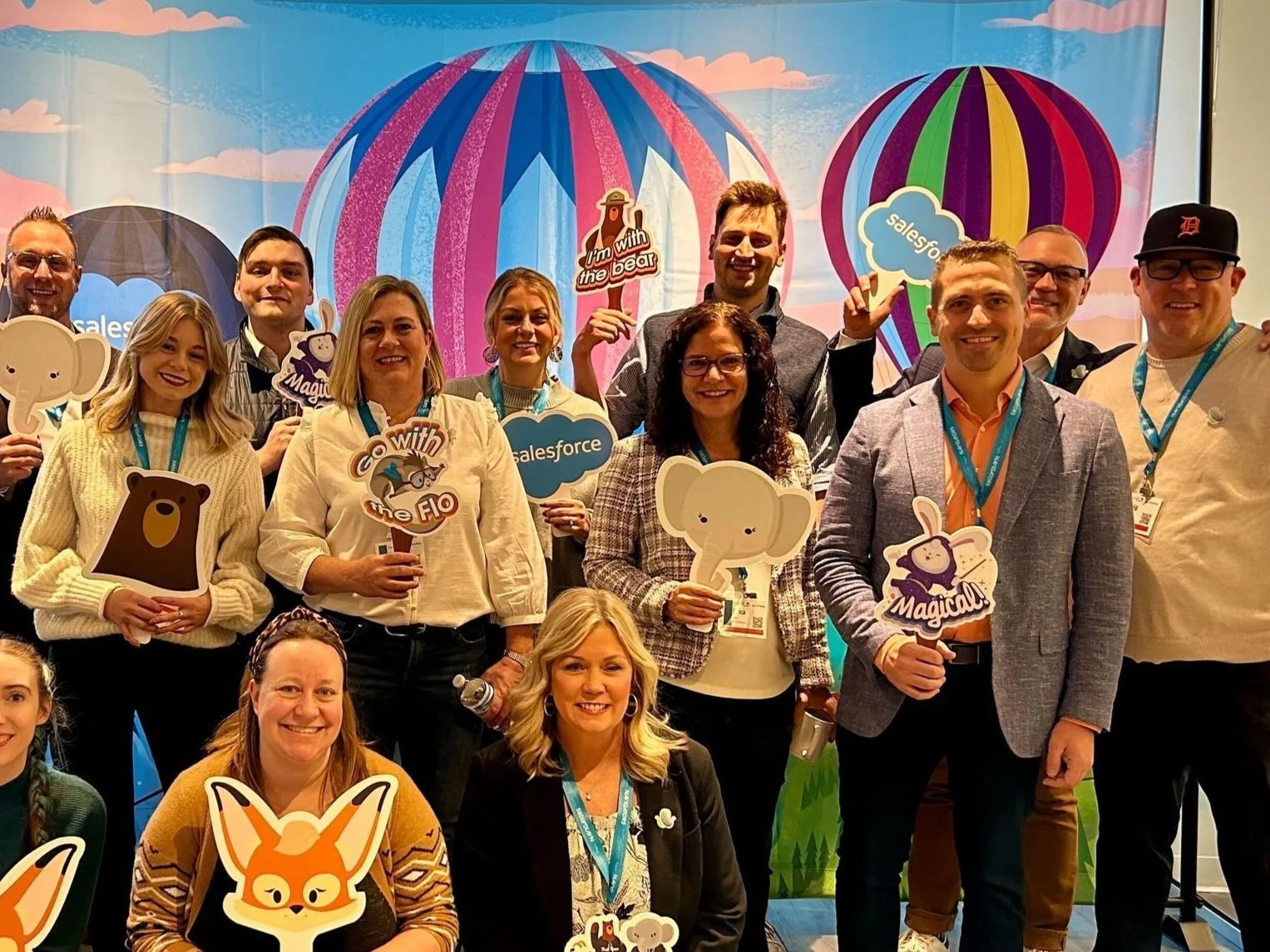
Contact Provisio Today and Build an Organizational Engagement Strategy That Creates Lasting Impact
A well-designed organizational engagement strategy helps nonprofit and government organizations reach the right people, personalize communication, build trust, and measure progress over time. It gives your team a clearer way to connect with clients and stakeholders while supporting stronger outcomes across programs.
The most effective strategies are not built around technology alone. They are built around people. When your outreach reflects the real needs of your community, engagement becomes more than communication. It becomes a pathway to trust, participation, and long-term impact.
At Provisio, we help organizations design and implement engagement strategies that support the full client lifecycle and strengthen community outreach through Salesforce Marketing Cloud.
Ready to build a stronger organizational engagement strategy? Contact Provisio today to chat with a consultant and see how we can help your organization connect more effectively with the people you serve.
FAQs
-
To build an organizational engagement strategy, start by defining your goals, identifying your audiences, mapping the client journey, and choosing the right outreach channels. Then, use data to personalize communication, align internal teams, and measure results over time.
-
An effective organizational engagement strategy should include audience segments, communication goals, outreach channels, messaging guidelines, data requirements, client journey maps, and performance metrics. It should also define how staff will coordinate engagement across programs and departments.
-
Nonprofits, government agencies, community organizations, healthcare programs, workforce development organizations, and human services providers can all benefit from an organizational engagement strategy. Any organization that needs to build trust, increase participation, or communicate across multiple audiences should have a clear engagement plan.
-
Common engagement channels include email, SMS, phone calls, social media, direct mail, events, surveys, and in-person outreach. The best channels depend on the audience, the message, and how clients or stakeholders prefer to communicate.
