

Local government organizations are under growing pressure to deliver faster, more accessible, and more transparent support to the communities they serve. From housing assistance and permit processing to public health coordination and constituent engagement, the range of local government services continues to expand while budgets, staffing, and legacy systems often lag behind.
For many agencies, the challenge is not a lack of commitment. It is a lack of connected systems, streamlined workflows, and actionable data. That is where Salesforce can make a meaningful difference.
Salesforce offers a powerful suite of cloud-based tools designed to meet the unique needs of mission-driven organizations. Whether you are engaging communities, coordinating field teams, or managing complex data systems, these solutions help streamline operations, drive efficiency, and improve outcomes across every function. In this guide, we will explore the different types of services provided by local government organizations and how Salesforce can help modernize them in practical, sustainable ways.
Why Modernizing Local Government Services Matters
Communities rely on local agencies for some of the most important services in daily life. Yet many public sector teams still face persistent operational barriers, including outdated technology, siloed information, and limited automation.
Common challenges include:
Disconnected data across departments
Manual and repetitive administrative work
Limited visibility into resident needs and program outcomes
Delays in service delivery
Difficulty meeting compliance and reporting requirements
Frustration among staff and constituents
These issues affect more than internal efficiency. They directly shape how residents experience the services provided by the local government. Slow response times, fragmented communications, and incomplete records can reduce trust and make it harder for agencies to meet their mission.
Modern systems help agencies move from reactive administration to proactive service delivery. With the right platform in place, public sector organizations can streamline processes, strengthen accountability, and improve the quality of local government services across every touchpoint.
Understanding the Different Types of Services Provided by Local Government
The scope of services provided by local government is broad, and each service area comes with its own operational demands. While specific priorities vary by community, many agencies manage a combination of the following functions.
Resident and Community Services
Many local governments provide direct support to residents through programs, referrals, and public assistance initiatives. These may include:
Housing and shelter support
Workforce development programs
Early childhood and family services
Aging and senior support programs
Mental and behavioral health coordination
Food and emergency assistance referrals
These local government services often require careful case tracking, communication across departments, and a complete view of each resident’s interactions with the agency.
Permitting, Licensing, and Regulatory Services
Cities, counties, and municipalities frequently manage permits, inspections, licenses, and code enforcement. These services provided by local government are critical to community development and public safety, but they can become slow and frustrating when handled through outdated systems.
Examples include:
Building and construction permits
Business licensing
Inspection scheduling
Code enforcement cases
Land use and zoning requests
Modern systems can reduce bottlenecks, improve transparency, and keep applicants better informed throughout the process.
Public Health and Human Services Administration
Many local agencies coordinate health and human services programs that support vulnerable populations. These programs often involve multiple stakeholders, large volumes of documentation, and strict reporting requirements.
Common examples include:
Benefits eligibility tracking
Care coordination
Public health outreach
Program enrollment and case management
Grant-funded service delivery
Because these local government services directly affect community well-being, agencies need systems that support accuracy, responsiveness, and continuity of care.
Grants, Funding, and Program Management
Local government departments often oversee grants from state, federal, and private sources. Managing these funds effectively requires strong data governance and consistent program tracking.
This may include:
Grant application management
Award tracking
Budget and performance reporting
Subrecipient monitoring
Outcome measurement
For agencies looking to improve the services provided by local government, better grants and program management can directly strengthen accountability and service quality.
Public Engagement and Communication
Community trust depends on clear communication. Local governments need ways to engage residents, share updates, collect feedback, and respond to concerns efficiently.
Examples include:
Service request portals
Community outreach campaigns
Public meeting communication
Resident surveys and feedback
Omnichannel communication management
Modernizing this area of local government services helps agencies become more transparent, accessible, and responsive.
The Challenges of Legacy Systems in Local Government
Many local agencies still rely on spreadsheets, paper files, email chains, and disconnected databases to manage critical operations. These methods often create barriers that affect both internal teams and the public.
Some of the most common challenges include:
Duplicate data entry across multiple systems
Incomplete or outdated resident records
Limited cross-department collaboration
Slow reporting and poor dashboard visibility
Difficulty scaling programs as needs grow
High training burden due to inconsistent processes
When the outdated systems behind services provided by local governments are fragmented, the result is usually inefficiency, missed opportunities, and a poorer experience for the people depending on those services.
How Salesforce Helps Improve Local Government Services
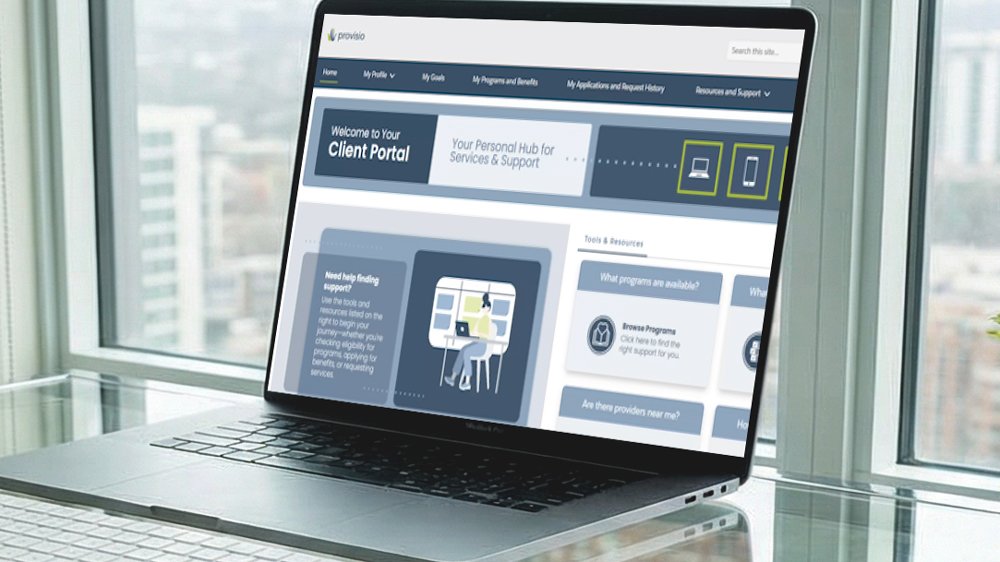
Salesforce is well suited for mission-driven organizations because it brings together data, workflows, communications, and reporting in one connected platform. Rather than forcing staff to move between disconnected tools, Salesforce creates a shared environment where teams can manage work more efficiently and serve residents more effectively.
For agencies delivering local government services, Salesforce can support:
Constituent-Centered Service Delivery
Salesforce helps agencies create a more complete view of each constituent, household, case, or community partner. That means staff can access relevant information quickly and provide better support without starting from scratch each time.
Examples include:
Tracking service requests from intake through resolution
Managing referrals across departments and partner organizations
Coordinating case plans, appointments, documents, and communications
Supporting multilingual and multi-channel engagement
Creating self-service portals for residents, applicants, and providers
This kind of connected experience is especially valuable when multiple departments contribute to the services provided by the local government.
Workflow Automation and Operational Efficiency
Public sector teams often lose time to repetitive administrative tasks. Salesforce can automate many of these workflows so staff can focus on service delivery rather than manual follow-up.
Automation can help with:
Application routing and approvals
Eligibility review checkpoints
Notifications and reminders
Task assignments and escalations
Document collection and status tracking
By reducing manual work, agencies can improve turnaround times and strengthen consistency across local government services.
Better Data Visibility and Reporting
Salesforce makes it easier to capture consistent data and turn it into actionable insight. Agencies can monitor program performance, identify bottlenecks, and report on outcomes with greater confidence. This supports stronger oversight for:
Program utilization
Case outcomes
Grant and contract reporting
Staff productivity
Community needs and service trends
Reliable reporting is critical for organizations that need to justify funding, demonstrate impact, and continuously improve the services provided by local governments.
Cross-Department Collaboration
When agencies work in silos, residents often feel the effects. Salesforce helps break down those barriers by giving teams shared access to structured information and coordinated workflows.
This can improve collaboration across functions such as:
Housing and homelessness services
Public health and behavioral health
Aging and family support programs
Grants and community partnerships
A connected platform supports more holistic, human-centered local government services.
Where Salesforce Can Deliver the Greatest Value for Local Government Organizations
Salesforce is not limited to one use case. It can be configured to support a wide range of programs and administrative functions that are central to local government services.
Case Management
Salesforce can support end-to-end case management for programs involving client intake, assessments, referrals, service planning, progress tracking, and follow-up. This is especially valuable for human-centered local government services where continuity and accountability matter.
Program Management
Agencies can use Salesforce to track participation, monitor milestones, manage staff workloads, and evaluate outcomes across multiple service programs. This helps leaders understand which services provided by the local government are generating the strongest results.
Grants Management
Salesforce can help local governments manage grant lifecycles, reporting requirements, deliverables, and compliance activities more effectively. A connected system reduces the risk of missed deadlines and incomplete reporting.
Community Engagement
From outreach campaigns to feedback collection, Salesforce can support stronger public engagement. Agencies can segment audiences, track communication history, and ensure important updates reach the right people.
Field Team Coordination
For departments that rely on inspectors, outreach workers, caseworkers, or mobile teams, Salesforce can help coordinate schedules, tasks, updates, and documentation from the field. This supports more efficient and accountable local government services.
Why Provisio Is the Right Partner for Salesforce Implementation
At Provisio, we understand that technology should serve the mission, not the other way around. We are a Salesforce Implementation Partner exclusively serving Health and Human Services organizations nationwide, with focused expertise in housing and shelter, workforce development, mental and behavioral health, aging care, and early childhood.
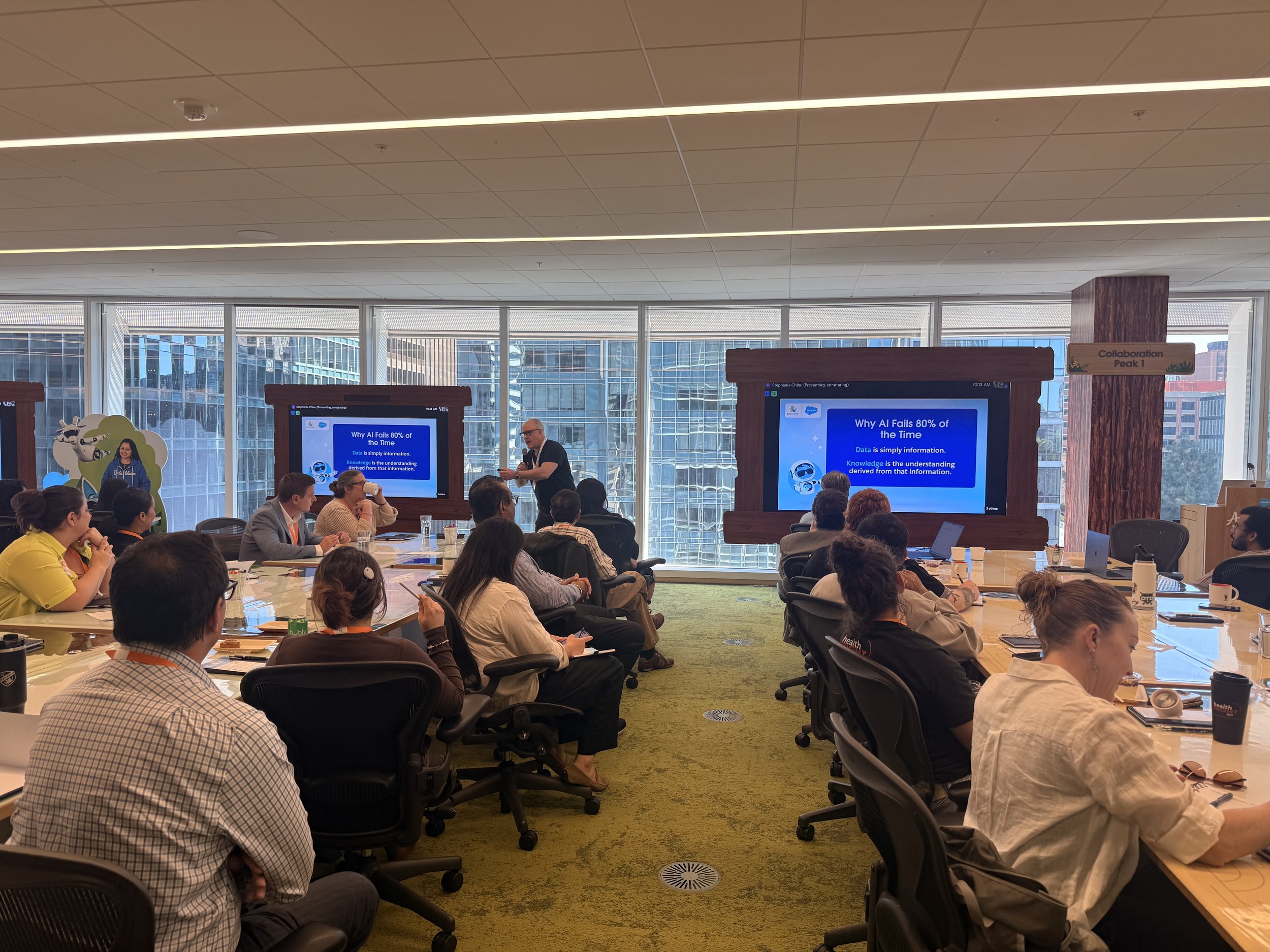
We help nonprofits and state and local governments implement mission-aligned technology that creates better outcomes for the people they serve while strengthening their ability to tell an impact story to funders.
Our services include:
Process optimization
Change management
We advance your mission by streamlining processes, revealing holistic data-driven insights, and guiding a culture of innovation at your organization. Our technology solutions and strategic guidance improve services including case management, program management, grants management, fundraising, and more.
For organizations looking to modernize local government services, Provisio brings both technical Salesforce expertise and a deep understanding of mission-driven service delivery. We do not approach implementation as a one-size-fits-all software project. We work alongside your team to design systems that reflect your programs, your people, and the real communities you serve.
Take the Next Step Toward Modernized Local Government Services. Contact Provisio Today to Get Started
The demand for more efficient, connected, and resident-centered government is only increasing. Agencies that invest in modern systems are better positioned to respond to community needs, support staff, strengthen accountability, and improve outcomes across the full spectrum of services provided by local government.
Salesforce offers a flexible and powerful foundation for that transformation. With the right implementation strategy, local governments can move beyond disconnected processes and build a stronger, more responsive service model for the future.
If your organization is ready to improve local government services with a thoughtful Salesforce strategy, now is the time to start the conversation. Contact Provisio to speak with a consultant about your goals and discover how our team can help your organization modernize operations, improve service delivery, and create better outcomes for the communities you serve.
FAQs
-
Local government services are the programs, resources, and administrative functions delivered by cities, counties, municipalities, and other local agencies. These can include housing assistance, permitting, public health programs, workforce development, code enforcement, community engagement, and other essential services provided by local government.
-
Some of the most common services provided by local government include public safety support, permitting and licensing, housing programs, transportation oversight, public health services, sanitation, parks and recreation, and constituent services. Many local agencies also manage case management, grants, inspections, and community outreach programs.
-
Salesforce can improve local government services by centralizing data, automating workflows, and helping departments collaborate more effectively. This allows agencies to reduce manual work, improve response times, and create a more connected experience for both staff and residents.
-
Provisio helps modernize local government services by combining Salesforce expertise with deep experience serving Health and Human Services organizations, nonprofits, and state and local governments. Our team supports strategic planning, process optimization, data strategy, Salesforce implementation, managed services, and AI readiness to help organizations improve outcomes and better serve their communities.
