
Data inconsistency is one of the most common and costly obstacles facing nonprofits and government organizations today. When information lives in disconnected systems, teams often work from conflicting records, duplicate entries, and outdated reports. That kind of inconsistent data slows decision-making, weakens service delivery, and makes it harder to measure impact with confidence.
For organizations responsible for serving people, managing programs, reporting to funders, and coordinating across departments, the stakes are especially high. A single mismatch between systems can affect case management, donor communications, compliance reporting, and leadership planning. The good news is that data inconsistency can be reduced significantly with the right CRM system integrations.
By strategically connecting your CRM platform with the other systems your organization depends on, you can create a more accurate, reliable, and actionable data environment. This article explains what causes data inconsistency, why inconsistent data creates operational risk, and how strategic CRM integrations help nonprofits and public sector organizations unify data sources so they can operate more intelligently and efficiently.
What Is Data Inconsistency?
Data inconsistency happens when the same information appears differently across systems, records, departments, or reports. In other words, one system says one thing, while another says something else.
Examples of data inconsistency may include:
A client’s address is updated in the CRM but not in the case management system
A donor’s giving history appears differently in fundraising and finance platforms
Program participation numbers in reporting dashboards do not match frontline records
Staff members create duplicate records because they cannot trust the data already in the system
Different departments use different definitions for the same metric or field
Inconsistent data is not always caused by carelessness. More often, it is the result of fragmented technology, manual data entry, and disconnected business processes.
Why Data Inconsistency Is a Serious Problem for Nonprofits and Government Organizations
For nonprofits and government agencies, data is not just an administrative asset. It shapes service delivery, funding decisions, compliance efforts, and long-term strategy. When data inconsistency spreads across the organization, the consequences can be substantial.
Reduced Trust in Reporting
Leadership teams, funders, boards, and public agencies depend on accurate reporting. If reports are built on inconsistent data, trust erodes quickly. Staff may spend more time reconciling numbers than acting on insights.
Inefficient Operations
When systems do not communicate, staff often re-enter the same data in multiple places. That creates extra work, increases the chance of error, and pulls valuable time away from mission-critical services.
Poor Constituent and Client Experiences
A disconnected system environment can lead to delayed follow-ups, repeated intake questions, conflicting communications, and missed opportunities to provide coordinated support.
Compliance and Audit Risks
Government and human services organizations often face strict reporting and documentation requirements. Inconsistent data can create gaps that complicate audits, grant reporting, and regulatory compliance.
Limited Strategic Insight
If your organization cannot trust its own data, it becomes much harder to identify trends, measure outcomes, allocate resources, or tell a compelling impact story.
Common Causes of Inconsistent Data
To reduce data inconsistency, organizations first need to understand where it comes from. In many cases, inconsistent data is the predictable result of systems that were never designed to work together.
Siloed Platforms
Many organizations use separate tools for CRM, fundraising, marketing, case management, finance, operations, and reporting. When those systems are not integrated, each one becomes its own version of the truth.
Manual Data Entry
Any time staff have to copy and paste, import spreadsheets, or update multiple systems by hand, the risk of inconsistent data increases.
Duplicate Records
Without data synchronization and matching rules, duplicate records can spread across platforms. That makes it difficult to maintain a complete and accurate view of clients, donors, households, or partners.
Different Data Standards
Departments may define fields, statuses, and metrics differently. One team’s “active participant” may not mean the same thing to another team, leading to reporting inconsistencies.
Legacy Systems and Workarounds
Older legacy systems, temporary tools, and patchwork processes often create data gaps over time. Even well-intentioned workarounds can contribute to data inconsistency when they are not part of a broader integration strategy.
How Strategic CRM System Integrations Reduce Data Inconsistency
Strategic CRM system integrations help organizations move beyond disconnected workflows and fragmented records. Rather than forcing staff to manually bridge gaps between systems, integrations create automated, reliable pathways for data to move where it needs to go.
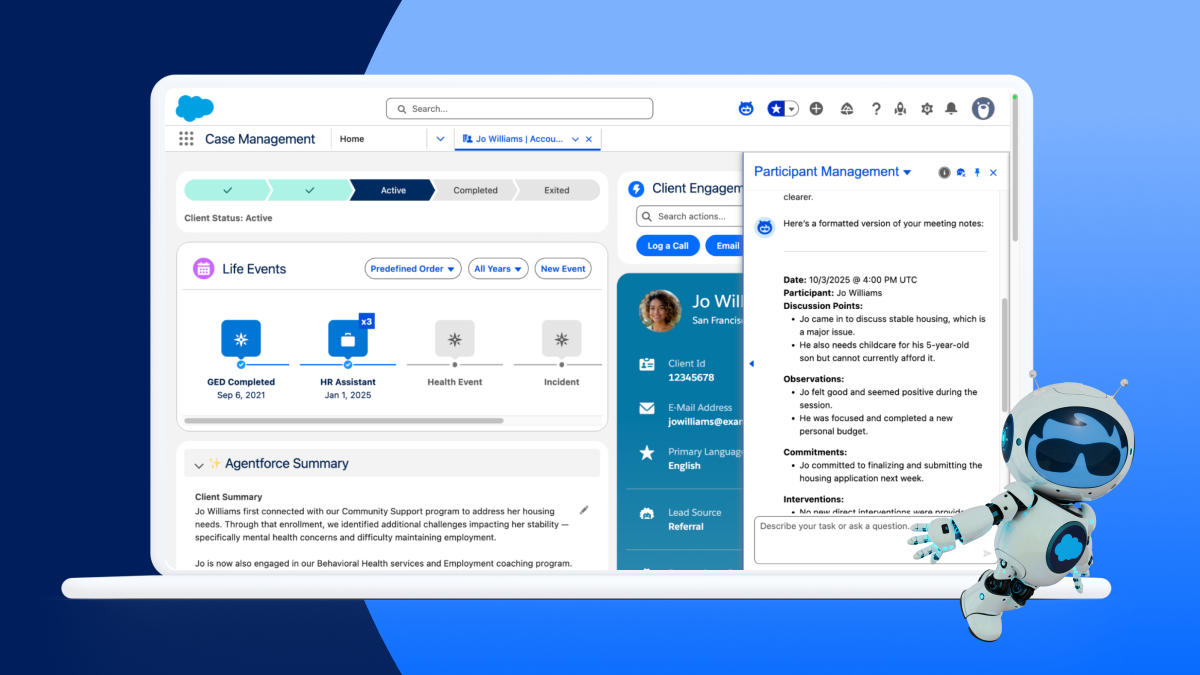
A well-integrated CRM environment reduces inconsistent data by ensuring that updates in one system are reflected appropriately in others. Instead of maintaining separate records across disconnected applications, your organization can establish a single source of truth.
Here is how that works.
Create a Single Source of Truth
One of the most effective ways to reduce data inconsistency is to establish a central system of record. For many nonprofits and government organizations, that system is the CRM.
When your CRM is integrated with surrounding platforms, it can serve as the hub for critical constituent, client, program, and operational data. That means teams across departments can work from aligned information rather than fragmented records.
Automate Data Synchronization
Strategic integrations reduce the need for manual updates by automating data movement between systems. When a change is made in one platform, that information can sync to the others based on pre-defined logic and governance rules.
This helps reduce:
Delayed updates
Repetitive data entry
Record mismatches
Human error
Reporting discrepancies
Improve Data Accuracy Across Teams
When marketing, operations, service delivery, and reporting systems are connected to the CRM, teams gain access to more consistent information. That improves cross-functional collaboration and reduces confusion about which data is current.
Standardize Data Definitions and Workflows
A thoughtful integration strategy is not just about connecting software. It is also about aligning fields, processes, naming conventions, and reporting logic. That standardization plays a major role in reducing inconsistent data over time.
Strengthen Reporting and Decision-Making
Integrated systems make it easier to generate accurate dashboards and reports because the underlying data is more complete and consistent. Leadership can make decisions with greater confidence, and staff can spend less time validating numbers.
Which Systems Should Be Integrated with Your CRM?
The best CRM integration strategy depends on your mission, services, and operating model. However, many nonprofits and government organizations see major value when they connect their CRM with the following systems.

Marketing Platforms
Integrating email marketing and outreach platforms with your CRM helps ensure communication history, engagement activity, and constituent preferences are aligned. This reduces inconsistent data between development, communications, and program teams.
Operations Systems
Operational tools often contain critical scheduling, workflow, intake, staffing, or service coordination data. Connecting these tools to the CRM improves visibility and reduces duplication.
Case Management Systems
For human services organizations, case management data is essential. Integrating case management and CRM platforms can support a more holistic view of the people you serve while reducing duplicate records and conflicting service information.
Reporting and Business Intelligence Tools
Connecting reporting systems directly to trusted data sources helps reduce data inconsistency in dashboards and performance reporting. This is especially important for grant reporting, executive decision-making, and impact storytelling.
Fundraising and Grants Management Tools
For nonprofits, aligning fundraising and grants data with CRM records supports cleaner donor profiles, more accurate revenue tracking, and stronger relationship management.
Best Practices for Reducing Data Inconsistency Through CRM Integrations
Not every integration automatically solves inconsistent data. To reduce data inconsistency effectively, organizations need a strategic approach.
Start with Data Strategy, Not Just Technology
Before implementing integrations, define what data matters most, where it should live, who owns it, and how it should flow between systems.
Identify Your Source of Truth
Clarify which platform should be considered authoritative for each key data type. Without that clarity, integrations can accidentally spread inconsistent data faster.
Clean Up Existing Data
If your systems already contain significant duplicate, outdated, or incomplete records, data cleanup should be part of the process. Integrating poor-quality data without governance can multiply the problem.
Align Stakeholders Across Departments
CRM integrations often affect fundraising, programs, operations, IT, leadership, and reporting teams. Bringing stakeholders together early helps ensure the integration reflects real-world workflows.
Build for Scalability
Your integration strategy should support future growth, changing reporting needs, and evolving service models. A short-term fix may reduce one form of data inconsistency while creating new issues later.
Monitor and Govern Ongoing Data Quality
Data consistency is not a one-time project. Organizations should establish governance practices, validation rules, training, and regular audits to keep inconsistent data from reappearing.
The Long-Term Benefits of Reducing Inconsistent Data
When nonprofits and government organizations address data inconsistency through strategic CRM system integrations, the payoff goes far beyond cleaner records.
Organizations often gain:
More accurate reporting and forecasting
Better visibility across departments and programs
Improved staff efficiency
More coordinated service delivery
Stronger compliance and audit readiness
Greater confidence in leadership decisions
A clearer, more compelling impact story for funders and stakeholders
In other words, reducing inconsistent data does not just improve back-office operations. It helps organizations serve people better.
Why Provisio Is the Right Partner for Strategic CRM System Integrations
At Provisio, we help nonprofits and government organizations reduce data inconsistency by unifying the tools and data sources they rely on every day.
As a Salesforce Implementation Partner exclusively serving Health and Human Services organizations nationwide, we understand the operational realities of housing and shelter, workforce development, mental and behavioral health, aging care, and early childhood. We help nonprofits and state and local governments implement mission-aligned technology that supports better outcomes for the people they serve while improving their ability to tell a clear impact story to funders.

Our services include:
Process optimization
Change management
Salesforce managed services
Our system integration services are designed to unify your tools and data sources so your organization can operate more intelligently and efficiently. As experienced CRM system integrators, we specialize in building seamless system integrations that connect your CRM platform with marketing, operations, case management, and reporting systems. The result is a single source of truth that helps unlock the full power of your data.
Beyond technical implementation, we bring strategic guidance that helps organizations streamline processes, surface holistic data-driven insights, and build a stronger culture of innovation. Our solutions support case management, program management, grants management, fundraising, and more, always with your mission at the center.

Reduce Data Inconsistency and Operate More Efficiently. Contact Provisio Today to Get Started
Data inconsistency and inconsistent data can quietly undermine even the most mission-driven organization. When teams are forced to work across disconnected systems, it becomes harder to trust reports, coordinate services, and make informed decisions.
Strategic CRM system integrations offer a more sustainable path forward. By unifying systems, automating data flows, and establishing a reliable source of truth, nonprofits and government organizations can reduce data inconsistency, improve operational efficiency, and use their data more intelligently.
If your organization is ready to reduce inconsistent data and build a more connected technology ecosystem, contact Provisio to speak with a consultant. We would love to learn about your goals and explore how our CRM system integration services can help your organization operate more efficiently, gain clearer insights, and deliver stronger outcomes.
FAQs
-
Inconsistent data is often caused by disconnected systems, manual data entry, duplicate records, and unclear data standards. When information is updated in one place but not another, data inconsistency becomes more likely.
-
Common signs of data inconsistency include duplicate records, conflicting reports, outdated contact information, and teams relying on separate spreadsheets or systems. These issues often signal that data is not being managed consistently across the organization.
-
Organizations can reduce data inconsistency by improving data governance, standardizing processes, and connecting their systems more effectively. Strategic CRM integrations can also help ensure information stays aligned across platforms.
-
Yes, system integrations can help reduce inconsistent data by automating the flow of information between platforms. This lowers the need for manual updates and helps create a more reliable source of truth.
