
Nonprofits and human services organizations are built around people, programs, and purpose. But in today’s funding, compliance, and service delivery environment, mission alone is not enough to demonstrate progress. Organizations need reliable data to understand what is working, where resources are needed most, and how programs are improving lives.
That is where data analysis for nonprofits becomes essential.
When used strategically, data analysis helps mission-driven organizations move beyond basic reporting and turn information into measurable impact. It allows teams to track goals, improve funding conversations, strengthen programs, identify service gaps, and tell a clearer impact story to stakeholders.
For nonprofits, government agencies, and health and human services organizations, the goal is not simply to collect more data. The goal is to create a data management strategy that makes information easier to centralize, integrate, visualize, govern, analyze, and use.
Why Nonprofit Data Analysis Matters More Than Ever
Nonprofits are under growing pressure to do more with limited resources. Funders, regulators, boards, and community partners increasingly expect organizations to demonstrate measurable outcomes, not just good intentions.
For many organizations, the challenge is not a lack of data. It is that data often lives across disconnected systems, spreadsheets, databases, forms, and reporting tools. Without a strong data management foundation, teams may struggle to see the full picture of the people they serve or the outcomes they are creating.
Strong nonprofit data analysis helps organizations answer critical questions, such as:
Are our programs reaching the right people?
Which services are producing the strongest outcomes?
Where are clients experiencing barriers or delays?
Are we meeting grant and compliance requirements?
How can we tell a stronger impact story to funders?
What resources do we need to scale our mission?
Without reliable data, these questions are difficult to answer. Leaders may rely on anecdotal evidence, manual reporting, or incomplete information from separate systems. That can make it harder to secure funding, improve programs, and plan for the future.
With a strong data strategy, organizations can make decisions based on evidence, not assumptions.
How Data Analysis for Nonprofits Turns Insights Into Impact
The true value of data analysis for nonprofits is not in the dashboard itself. It is in what your organization does with the insight.
When nonprofits can access reliable, centralized, and meaningful data, they can make improvements across every level of the organization.
1. Improve Program Performance
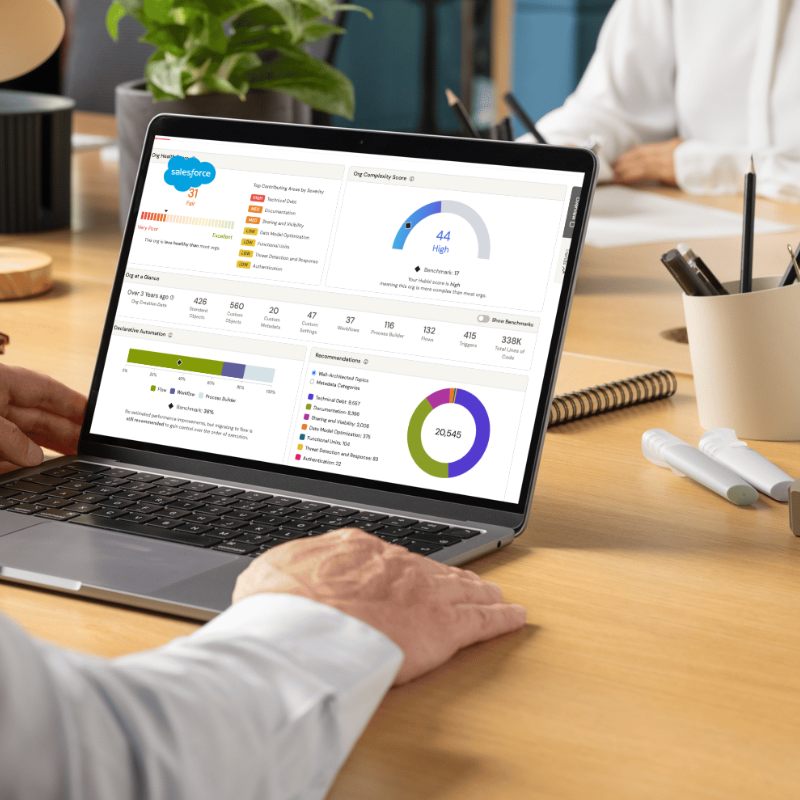
Nonprofit data analysis helps teams evaluate whether programs are achieving their intended goals. Instead of waiting until the end of a grant cycle to review outcomes, organizations can monitor progress in real time and make adjustments sooner.
For example, a workforce development organization may track enrollment, training completion, job placement, retention, and wage growth. By analyzing this data, the organization can identify which services are helping participants succeed and where additional support may be needed.
2. Strengthen Case Management and Service Delivery
In health and human services, client needs are often complex. A person may interact with multiple programs, providers, and support systems. If data is scattered across disconnected platforms, staff may not have a full picture of the client journey.
A strong data management strategy allows organizations to centralize and integrate information so teams can better understand client needs, coordinate services, and reduce duplication. This leads to more informed decisions and a more seamless experience for the people being served.
3. Track Outcomes That Matter
Many nonprofits track activity metrics, such as the number of people served or appointments completed. While these metrics are important, they do not always show whether services are creating meaningful change.
Nonprofit data analysis helps organizations move from outputs to outcomes.
Examples include:
Housing stability after program exit
Employment retention after job placement
Improved behavioral health engagement
Reduced wait times for services
Increased access to benefits or community resources
Improved family, child, or aging care outcomes
When organizations define and track the right outcomes, they can better understand their impact and communicate it clearly.
4. Support Grant Reporting and Funding Conversations
Funders want to know that their investments are making a difference. Reliable data helps nonprofits produce accurate reports, demonstrate progress, and make a stronger case for continued or expanded funding.
Rather than scrambling to pull numbers from multiple systems, organizations with strong data infrastructure can access the information they need more efficiently. This reduces administrative burden while improving the quality of funder reporting.
5. Reveal Trends and Service Gaps
Data analysis can help nonprofits see patterns that may otherwise go unnoticed. These patterns can reveal unmet needs, inequities in access, or opportunities to improve service delivery.
For example, an organization may discover that clients in a specific geographic area are less likely to complete a program, or that certain referral sources produce better long-term outcomes. These insights can guide outreach, partnerships, staffing, and program design.
6. Prepare for AI-Ready Systems
Artificial intelligence is becoming a growing priority across the nonprofit and public sectors. But AI is only as useful as the data behind it. Organizations with fragmented, inconsistent, or poorly governed data will struggle to adopt AI effectively.
Before nonprofits can take full advantage of AI tools, they need systems that are organized, secure, integrated, and ready for analysis. A strong data management foundation makes future AI adoption more practical, responsible, and mission-aligned.
Common Data Challenges Nonprofits Face
Many organizations understand the importance of data but face real barriers to using it well. These challenges are especially common in health and human services environments, where programs are complex and reporting requirements can vary widely.
Common challenges include:
Data stored across multiple disconnected systems
Manual spreadsheets used for critical reporting
Duplicate or inconsistent client records
Limited visibility across programs
Unclear data ownership and governance
Staff spending too much time on manual data entry
Difficulty producing grant or compliance reports
Lack of real-time dashboards
Systems that do not reflect actual workflows
Data that is collected but rarely analyzed
These challenges are not simply technical problems. They affect staff capacity, client experience, funding strategy, and organizational decision-making.
Nonprofit Data Analysis Tips for Tracking Goals, Funding, and Outcomes
Improving nonprofit data analysis does not happen overnight. It requires the right strategy, systems, processes, and culture. The following tips can help mission-driven organizations build a stronger foundation.
1. Start With the Questions You Need to Answer
Before building dashboards or reports, define the questions your organization needs data to answer. This helps prevent teams from tracking information that is not useful.
Examples of strong questions include:
Which programs are meeting their outcome goals?
Where are clients dropping off in the service journey?
Which funding sources support which services?
How long does it take for clients to receive support?
What outcomes are most important to our funders?
Which communities are underserved?
Starting with questions ensures your data strategy is connected to decision-making.
2. Define Clear Goals and Metrics
Effective data analysis for nonprofits depends on clear goals. If your organization has not defined what success looks like, it will be difficult to measure progress.
Consider creating metrics across several categories:
Program metrics: Enrollment, participation, completion, service utilization
Outcome metrics: Housing stability, job placement, improved health engagement, client progress
Operational metrics: Staff workload, referral timelines, documentation completion, response times
Funding metrics: Grant deliverables, restricted funding usage, fundraising performance
Equity metrics: Service access, demographic trends, geographic reach, language needs
The best metrics are tied directly to your mission, programs, and reporting requirements.
3. Centralize Your Data
Fragmented data is one of the biggest obstacles to meaningful analysis. When information lives in separate systems, staff often have to manually reconcile records, which increases errors and limits visibility.
Centralizing data allows your organization to create a more complete view of clients, programs, services, and outcomes. This is especially important for organizations pursuing integrated service delivery models.
A centralized approach can help teams:
Reduce duplicate data entry
Improve cross-program collaboration
Create more accurate reports
Understand the full client journey
Identify service gaps more quickly
Strengthen data security and governance
4. Integrate Systems Across Programs
Most nonprofits use multiple tools for case management, grants management, fundraising, communications, and reporting. These systems need to work together.
Systems integration helps organizations connect data across departments and reduce information silos. When systems are integrated, teams can spend less time searching for information and more time using it to improve services.
5. Build Dashboards That Support Action
Dashboards should do more than display numbers. They should help leaders and staff take action.
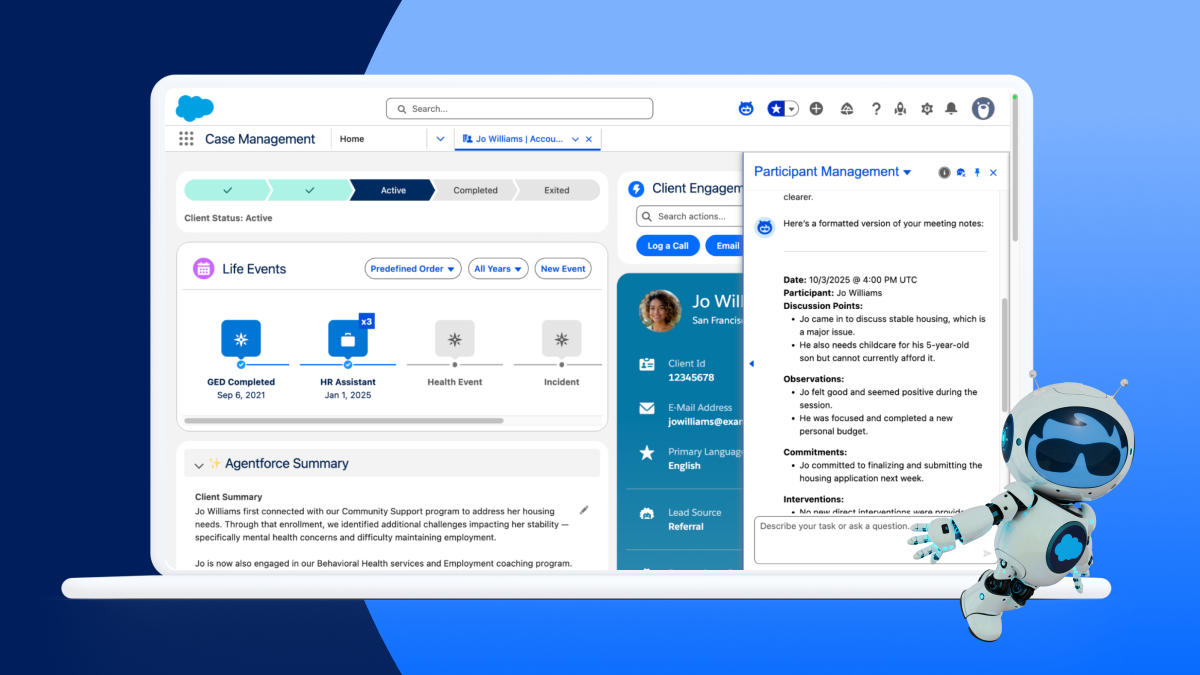
A useful dashboard should be:
Easy to understand
Connected to organizational goals
Updated regularly
Designed for the right audience
Focused on decisions, not vanity metrics
Built around clear definitions and trusted data
For example, a program director may need a dashboard showing enrollment, service milestones, and outcome progress. An executive leader may need a broader dashboard showing funding performance, program capacity, and organization-wide impact.
6. Create Data Governance Practices
Data governance is the set of rules and responsibilities that determines how data is collected, stored, managed, protected, and used. Without governance, organizations may struggle with inconsistent definitions, duplicate records, and unreliable reporting.
Strong data governance should clarify:
Who owns specific data sets
How data should be entered
Which definitions teams should use
Who can access sensitive information
How data quality will be monitored
How compliance requirements will be met
This is especially important for nonprofits and government organizations handling sensitive client information.
7. Train Staff to Use Data Confidently
Technology alone does not create a data-driven organization. Staff need training, ongoing support, and clear processes to use data effectively.
A strong nonprofit data analysis culture helps teams understand why data matters and how it supports the mission. When staff see data as a tool for better service delivery, not just another administrative task, adoption improves.
8. Connect Data Analysis to Your Impact Story
Numbers become more powerful when they are connected to human outcomes. Nonprofits need data that helps tell a clear, credible, and compelling impact story.
This story may show:
Who your organization serves
What needs your programs address
Which services are most effective
How client outcomes improve over time
Why continued funding matters
Where future investment can create greater impact
When your data is organized and meaningful, your organization can communicate impact with confidence.
The Role of Data Management in Successful Nonprofit Data Analysis
Data analysis is only as strong as the data management strategy behind it. If data is incomplete, disconnected, inconsistent, or difficult to access, analysis becomes unreliable.
A strong data management strategy helps nonprofits create systems and processes that support better decision-making, seamless operations, and measurable impact.
Effective data management helps organizations:
Centralize and manage information across programs
Integrate systems and reduce silos
Visualize data through dashboards and reporting tools
Govern data with clear standards and ownership
Store information securely and efficiently
Analyze and report on goals, funding, and outcomes
Secure and comply with regulatory requirements
Unify and harmonize data for a more complete organizational view
For human services organizations, this foundation can support more integrated service delivery, improved client options, greater operational efficiency, and stronger regulatory compliance.
How Provisio Helps Nonprofits Build Better Data Management Strategies
Provisio is a Salesforce Implementation Partner exclusively serving Health and Human Services organizations nationwide. We work with nonprofits and state and local governments across housing and shelter, workforce development, mental and behavioral health, aging care, early childhood, and other mission-driven service areas.
Our team helps organizations implement mission-aligned technology that creates better outcomes for the people they serve while improving their ability to tell a stronger impact story to funders.
At Provisio, we help nonprofits and government organizations build data management strategies that support long-term success. Our services include:
Process optimization
Change management
We help organizations streamline processes, reveal holistic data-driven insights, and guide a culture of innovation. Our technology solutions and strategic guidance support critical services such as case management, program management, grants management, fundraising, and more.
Whether your organization is trying to centralize data, modernize reporting, integrate systems, prepare for AI, or improve outcome tracking, Provisio can help you create a practical implementation roadmap that aligns technology with your mission.

Why AI-Ready Data Systems Start With Strategy
Many nonprofits are exploring how AI can improve operations, reporting, and service delivery. But before AI can create value, organizations need trusted data.
AI-ready systems require:
Clean and consistent data
Integrated platforms
Clear governance
Secure access controls
Reliable reporting structures
Staff adoption and training
A strategy that connects technology to mission outcomes
Without these foundations, AI initiatives may create more confusion than clarity. With the right strategy, AI can become a powerful extension of your organization’s mission, helping teams work more efficiently and make better decisions.
Turn Nonprofit Data Analysis Into Measurable Impact. Contact Provisio Today to Get Started
The future of mission-driven work depends on the ability to understand, use, and act on data. Data analysis for nonprofits helps organizations track goals, strengthen funding conversations, improve programs, and demonstrate outcomes with confidence.
But meaningful analysis starts with strong data management. When your systems are centralized, integrated, governed, secure, and built around your mission, your organization can move from disconnected information to measurable impact.
Provisio helps nonprofits and government organizations take the first step toward stronger data systems, better insights, and AI readiness.
Ready to create a data management strategy that supports your mission? Contact Provisio today to chat with a consultant and see how we can help your organization build AI-ready systems that turn data into measurable impact.
FAQs
-
Nonprofits should analyze data related to client needs, program participation, service delivery, outcomes, funding, staff capacity, and compliance requirements. The most useful data is tied directly to the organization’s mission, goals, and reporting needs.
-
Nonprofits can improve data quality by creating clear data entry standards, defining key metrics, reducing duplicate records, and assigning ownership for data management. Regular audits, staff training, and system integrations can also help ensure that data remains accurate and useful.
-
Nonprofits can use data to identify client needs, monitor program participation, reduce delays, and coordinate services across teams. When data is centralized and accessible, staff can make more informed decisions and provide more personalized support.
-
Nonprofits should analyze data regularly, not only during annual reporting or grant deadlines. Monthly or quarterly reviews can help teams monitor progress, identify trends, and make timely improvements before small issues become larger challenges.
