
Workplace diversity has become a priority for many organizations. But diversity alone is not enough. The real impact happens when organizations focus on how to create an inclusive environment in the workplace—one where employees from all backgrounds, bringing diverse perspectives, feel respected, valued, and empowered to contribute. Inclusive companies hire employees from diverse backgrounds because they understand different perspectives can add value to the business.
For Health and Human Services (HHS) organizations especially, inclusivity is more than an internal initiative. It directly impacts how teams collaborate, serve communities, and deliver meaningful outcomes. Creating an inclusive environment in the workplace strengthens employee engagement, improves retention, increases innovation, and builds trust across teams and stakeholders. Gaining support from the C-suite is essential, as their commitment to prioritizing DE&I initiatives helps foster a truly inclusive workplace culture.
This guide walks you through why inclusion matters, five actionable strategies to implement today, and how Provisio can help you foster an inclusive company culture and align your efforts with the company's values by supporting people, processes, and technology to create a truly inclusive workplace culture.
Why Inclusion Matters More Than Ever
An inclusive workplace goes beyond representation. It creates a culture where differences are embraced and every team member has equal access to opportunity, voice, and advancement.
While a diverse workplace focuses on having employees from different backgrounds, an inclusive workplace ensures that all individuals feel valued, respected, and able to fully participate in the organization.
According to research from SHRM and the Economist Intelligence Unit, when employees who are different from their colleagues are allowed to flourish, organizations benefit from their ideas, skills, and engagement. Inclusion drives:
Higher employee morale and engagement
Increased innovation and creativity
Stronger collaboration
Better decision-making
Improved retention and recruitment

Employees who feel comfortable at work are more likely to share unique ideas, perspectives, and insights that inspire innovation. Inclusive workplaces are 6X as likely to be innovative compared to non-inclusive workplaces.
Inclusive workplaces also have 2.3X the cash flow per employee over non-inclusive workplaces in a 3-year period.
For mission-driven organizations in Health and Human Services, inclusive workplaces are critical to delivering equitable services to diverse communities. When internal culture reflects external values, organizations operate more authentically and effectively. Inclusion in the workplace is essential for supporting a happy, engaged, and committed workforce.
If you’re wondering how to create an inclusive environment in the workplace, it starts with intentional leadership, equitable processes, and consistent action.
Perceptions of how inclusive your workplace is can vary greatly across employee groups.
5 Actionable Strategies for Creating an Inclusive Environment in the Workplace
Below are five practical, high-impact strategies to help your organization move from awareness to action.
1. Celebrate and Respect Individual Differences
One of the foundational steps in creating an inclusive environment in the workplace is recognizing and honoring individual identities, including respecting people's differences such as cultural background, religion, and sexual orientation.
Every employee brings unique cultural backgrounds, traditions, religions, experiences, and perspectives. Inclusive organizations actively create space for those differences to be acknowledged and respected.
Practical ways to implement this include:
Offering flexible time off for cultural and religious holidays
Hosting cultural awareness events or informal “lunch and learn” sessions
Encouraging employees to share traditions, customs, and lived experiences
Providing accommodations that respect personal practices
Forming affinity groups or employee resource groups (ERGs) for employees with similar backgrounds
Creating employee resource groups (ERGs) can provide a safe space for employees with shared backgrounds to connect, build friendships, and discuss workplace challenges.
When employees feel seen and valued for who they are, they are more likely to feel a sense of belonging.
2. Reduce Bias in Project Assignments and Promotions
Understanding how to create an inclusive environment in the workplace requires addressing unconscious bias. Bias can influence decisions about project assignments, promotions, performance reviews, and leadership opportunities.
To promote fairness and equity:
Standardize promotion and evaluation criteria
Increase transparency around advancement processes
Distribute high-visibility assignments equitably
Provide bias-awareness and inclusive leadership training
Use data to evaluate hiring and promotion trends
Regularly review and update policies through the lens of inclusion to ensure they remain effective and relevant
Use inclusive language in all professional communications to model inclusive behavior
Managers play a crucial role in supporting these efforts by providing guidance, fostering inclusive behaviors, and ensuring team members feel heard and respected.
Inclusive workplaces don’t leave fairness to chance. They build systems that reduce bias and promote accountability.
3. Lead with Equality and Inclusive Leadership
Inclusive leadership is critical when creating an inclusive environment in the workplace. Leaders set the tone for culture, communication, and collaboration. The involvement of the C-suite and the leadership team is essential, as their commitment to diversity, equity, and inclusion (DE&I) initiatives drives meaningful change and fosters inclusive leadership throughout the organization.
Inclusive leaders:
Recognize and leverage individual strengths
Advocate for team members
Encourage open dialogue
Model respectful communication
Foster psychological safety
Organizations can support inclusive leadership by offering:
Cross-cultural competency training
Conflict resolution workshops
Peer-to-peer mentorship programs
Structured onboarding and mentorship for new hires
Diversity and inclusion training for leadership
Investing in training for inclusive leadership practices is essential for building a culture where every individual feels valued and respected.
When leadership actively prioritizes inclusion, employees feel empowered to bring their authentic selves to work. Leaders should also actively seek out diverse perspectives when making decisions and ensure that every individual feels valued and respected for their unique contributions.
4. Run Inclusive Meetings and Encourage Equal Participation
Meetings are a daily opportunity to practice inclusion.
To build inclusive meeting practices:
Clearly define what inclusivity means for your organization
Establish norms that ensure equal speaking time
Address interruptions and conversation dominance
Invite feedback from quieter participants
Acknowledge and validate contributions
Hold inclusive and respectful meetings by giving every employee an opportunity to speak and offering credit and praise equally
Invite employees to share feedback through various channels, including an open-door policy and anonymous comment boxes
Inclusive meetings create space for diverse ideas and ensure that all voices are heard—not just the loudest ones.
Over time, consistent inclusive meeting practices reinforce psychological safety and collaboration.
5. Build Trust Through Authentic Relationship-Building
Inclusion thrives where trust exists.
Creating an inclusive environment in the workplace requires employees to feel comfortable sharing ideas, perspectives, and even disagreements. Trust-building initiatives can include:
Team bonding activities
Peer recognition exercises
Sharing passion projects or personal interests
Structured appreciation exercises
Mentorship and peer coaching
Encouraging frequent one-on-one sync-ups to build trust and facilitate open dialogue about employee needs
Providing guidance to employees—such as discussing boundaries and encouraging respectful interactions—helps foster inclusive behaviors and supports a more inclusive work environment.
For example, exercises that encourage colleagues to recognize each other’s strengths can break down barriers and build authentic connection.
Trust strengthens teamwork, collaboration, and collective problem-solving.
Implementing Inclusion Training for Lasting Change
Implementing inclusion training is an essential step toward building an inclusive workplace environment that truly values every employee. Inclusion training goes beyond a one-time workshop—it’s an ongoing commitment to educating employees and leaders about the importance of diversity and inclusion, and equipping them with practical tools to foster an inclusive culture.
Effective inclusion training covers topics such as unconscious bias, cultural competence, and the use of inclusive language. By addressing these areas, organizations can help employees recognize and challenge their own assumptions, leading to a more equitable and respectful workplace culture. Tailoring training programs to the unique needs of your organization ensures that all employees, regardless of their role or background, feel empowered to contribute to a more inclusive workplace.
Inclusive leadership is a cornerstone of this process. Training leaders to recognize the impact of their actions and decisions on workplace inclusion helps drive meaningful change from the top down. When leaders model inclusive behaviors and champion diversity initiatives, it sets the tone for the entire organization.
Inclusion training also plays a vital role in addressing systemic issues such as the gender pay gap and supporting diversity initiatives that lead to a more diverse workforce. By investing in continuous learning and development, organizations create an environment where employees feel valued, respected, and motivated to support a more inclusive workplace culture.
The Importance of Inclusive Language in Everyday Interactions
Inclusive language is a powerful tool for creating an inclusive workplace environment where all employees feel valued and respected. The words we choose in our daily interactions, job descriptions, and company communications can either foster a sense of belonging or unintentionally exclude individuals from minority groups or underrepresented backgrounds.
Using inclusive language means being mindful of preferred pronouns, avoiding stereotypes, and steering clear of language that could be perceived as derogatory or exclusionary. For example, updating job descriptions to use gender-neutral terms and ensuring company materials reflect the diversity of your workforce can make a significant difference in how employees feel about their place in the organization.
Promoting inclusive language encourages open dialogue and helps break down barriers between employees from different backgrounds. It signals to everyone—especially women and underrepresented groups—that their identities and experiences are recognized and respected. This, in turn, supports a culture of collective success, where every individual feels empowered to contribute to the organization’s goals.
By making inclusive language an integral part of your workplace culture, you help create an environment where employees feel supported, valued, and able to bring their authentic selves to work every day.
Addressing the Needs of Minority Groups in the Workplace
Addressing the unique needs of minority groups is fundamental to building an inclusive workplace environment. Organizations that prioritize diversity and inclusion recognize that employees from different backgrounds may face distinct challenges and require tailored support to thrive.
Providing resources such as mentoring programs, employee resource groups, and diversity initiatives can help minority groups feel more connected and supported within the organization. Offering accommodations like floating holidays for cultural observances or lactation rooms for new mothers demonstrates a commitment to meeting the diverse needs of your workforce.
Creating a safe and inclusive space where all employees feel valued and respected not only supports the professional development of minority groups but also enhances overall employee satisfaction and engagement. Research shows that organizations with strong diversity and inclusion practices are more likely to attract and retain top talent, leading to a more dynamic and innovative workplace.
By actively supporting minority groups, organizations foster a sense of belonging and inclusion, ensuring that every employee has the opportunity to contribute to the collective success of the organization.
Setting and Tracking Diversity Goals
Setting and tracking diversity goals is a vital strategy for creating a more inclusive workplace environment and fostering an inclusive culture. By establishing clear objectives for increasing diversity in hiring, promotion opportunities, and leadership roles, organizations demonstrate a commitment to continuous improvement and accountability.
Using data and metrics to monitor progress toward diversity and inclusion goals allows organizations to identify areas for growth and make informed decisions about future initiatives. Regularly reviewing these metrics ensures that diversity goals remain a priority and that efforts to create an inclusive workplace environment are effective.
Promoting a culture of continuous learning is also key. Providing training programs and development opportunities for underrepresented groups helps to level the playing field and supports the advancement of all employees. Encouraging open dialogue and feedback throughout the organization further strengthens a sense of inclusion and transparency.
By setting and tracking diversity goals, organizations not only create a more inclusive workplace but also build a culture where every employee feels valued, empowered, and inspired to reach their full potential.
Moving from Culture to Systems: The Role of Technology in Workplace Inclusion
While culture drives inclusion, systems either support or hinder it.
Disconnected systems, manual processes, and lack of visibility into workforce data can unintentionally create inequities. Organizations may struggle to:
Track equitable distribution of opportunities
Identify bias in hiring or promotions
Measure employee engagement
Maintain transparency across teams
Streamline onboarding and mentorship
Integrating diversity and inclusion education into the onboarding process for new employees can set clear expectations about inclusivity from the start. Additionally, encouraging interactions between new employees and current employees—such as through introductions and welcome events—helps foster a more inclusive environment and supports team integration.
Technology plays a crucial role in sustaining inclusive practices at scale.
This is where Provisio comes in.
How Provisio Helps Organizations Create Inclusive, Efficient Workplaces
Creating an inclusive environment in the workplace requires more than strong leadership and good intentions. It also depends on having the right systems in place to ensure fairness, transparency, and access to data.
Provisio is a consulting firm and Salesforce Implementation Partner exclusively serving Health and Human Services organizations nationwide. We support organizations at every stage of their technology journey—from advisory and Salesforce implementation to systems integration, data management, and ongoing managed services.
Our work helps organizations:
Streamline processes and reduce administrative burden
Free up staff time to focus on mission-driven work
Improve access to accurate, centralized data
Increase transparency in programs and operations

We implement technology solutions across case management, program management, grants management, marketing and engagement, and call centers—helping organizations operate more efficiently while supporting equitable practices.
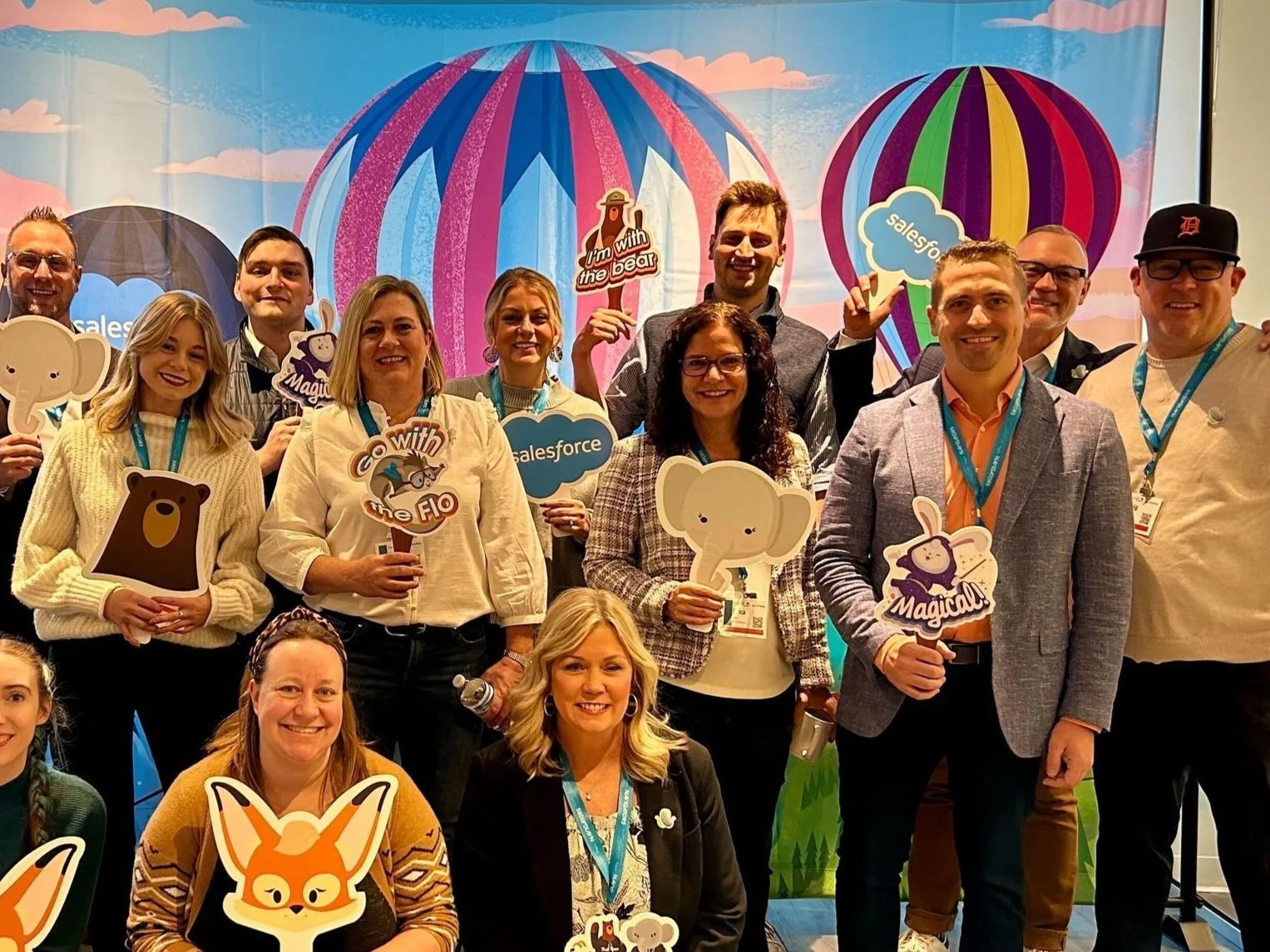
At Provisio, we are committed to inclusion not only in the solutions we design, but in how we build our own team—through mentorship, workforce development, and partnerships that expand access to technology careers.
If your organization is focused on creating an inclusive environment in the workplace while improving operational efficiency, Provisio can help you align your people, processes, and technology to drive meaningful impact.
How Provisio Practices Inclusion Internally
At Provisio, inclusion is not just something we advise on—it’s something we practice.
We demonstrate our commitment by:
Partnering with Vet Force and hiring military personnel and Veterans passionate about Salesforce
Hiring young professionals with limited IT experience and providing hands-on Salesforce training
Developing mentorship programs for new hires to support long-term success
Offering peer-to-peer training to expand technical skill sets
Engaging deeply with diverse human services organizations to understand their missions and cultures
Supporting employees with similar backgrounds by encouraging the formation of affinity groups and employee resource groups (ERGs) to foster community and belonging
We are dedicated to fostering an inclusive company culture where employees feel included, valued, and empowered to contribute their unique perspectives.
We believe inclusive workplaces create stronger teams—and stronger teams serve communities more effectively.
Turning Inclusion into Action
Understanding how to create an inclusive environment in the workplace is only the first step. The real impact comes from consistent implementation—through leadership, culture, equitable systems, and enabling technology. It is essential to understand and respect people's differences, particularly those that may require targeted attention to ensure everyone feels valued and included. Organizations that are serious about inclusion take time to understand the specific opportunities they have to support others within their unique culture and context.
For Health and Human Services organizations, creating an inclusive environment in the workplace strengthens internal collaboration and improves the quality of services delivered to diverse communities.
If your organization is ready to align your people, processes, and technology to support a more inclusive and efficient workplace, Provisio is here to help.
Contact Provisio today to learn how our advisory services, Salesforce expertise, and managed services can help you build an inclusive, data-driven organization positioned for long-term impact.
FAQs
-
Creating an inclusive environment in the workplace means building a culture where all employees feel respected, valued, and empowered to contribute regardless of their background or identity. An inclusive environment actively seeks out and values diverse perspectives, recognizing that different viewpoints drive innovation and foster a more respectful and equitable workplace.
Inclusion goes beyond diversity by ensuring equitable access to opportunities, leadership visibility, and decision-making processes. It also means ensuring that every individual feels valued, with their unique contributions acknowledged and appreciated. It focuses on belonging, fairness, and psychological safety.
-
Practical steps include celebrating cultural differences, offering bias training, implementing mentorship programs, and running inclusive meetings. Organizations should also establish clear promotion criteria and measure equity using workforce data. Inviting employees to share feedback through an open-door policy helps create safe spaces for open communication and ensures everyone feels heard.
Additionally, providing guidance to employees—such as discussing boundaries and encouraging respectful interactions—supports inclusive behaviors and fosters a more inclusive work environment. Consistent action and accountability are key to long-term success.
-
Technology can promote transparency, track equitable outcomes, and centralize workforce data for better decision-making. Modern systems help organizations measure diversity metrics, monitor promotion trends, and streamline processes that support fairness.
Integrating diversity and inclusion education into the onboarding process for new employees ensures that expectations for inclusivity are set from the start. Data-driven insights strengthen accountability in creating an inclusive environment in the workplace.
-
Employees who feel valued, heard, and included—such as through celebrating diverse holidays and accommodating cultural expressions—are more likely to stay with their organization long term. When employees feel included, they are more engaged and committed to their workplace.
Inclusive workplaces foster trust, engagement, and professional growth. As a result, creating an inclusive environment in the workplace can significantly reduce turnover and recruitment costs.
