
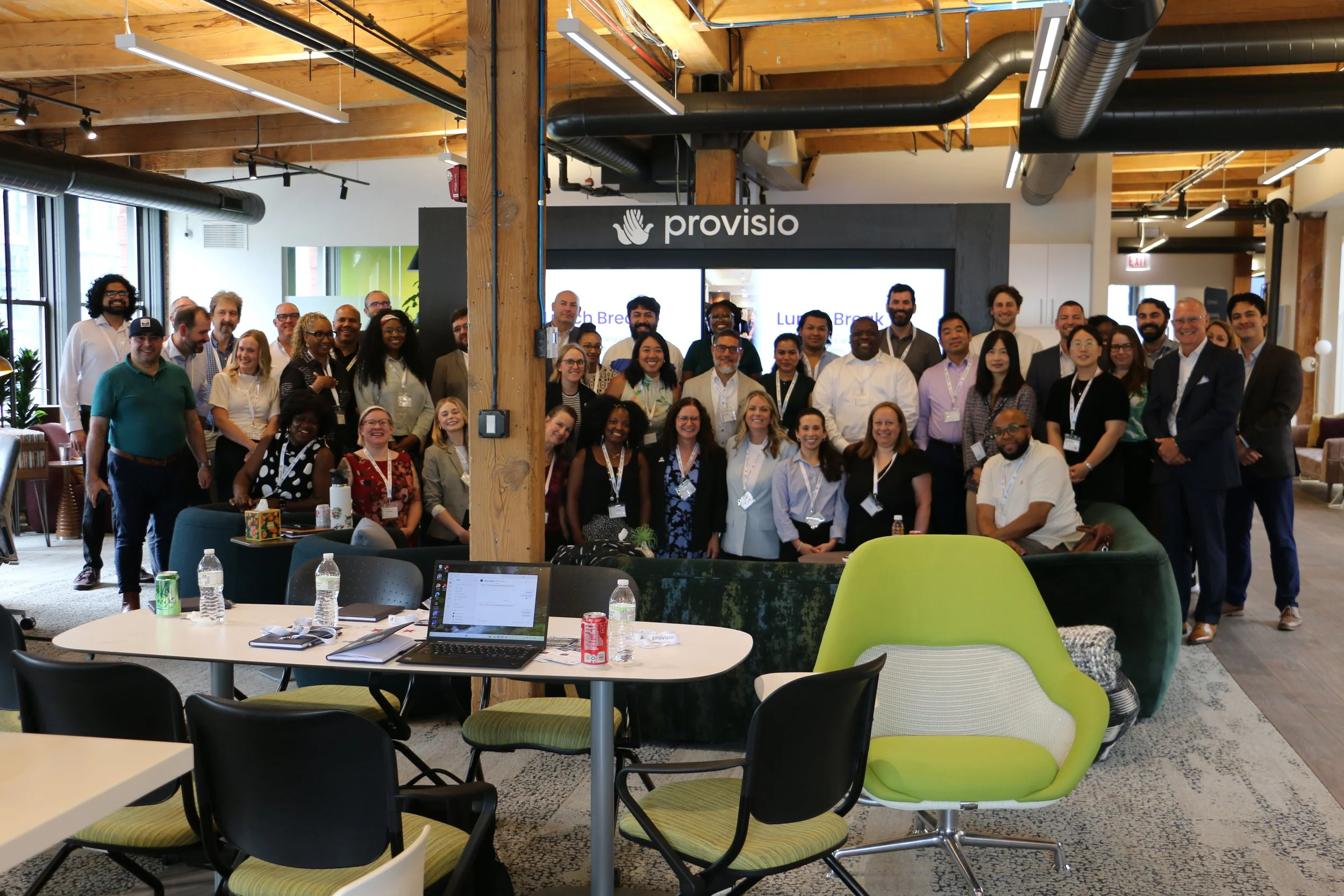
June 11, 2026 | Changemaker Collaborative Chicago
It’s clear that AI will become an essential tool to support the missions of human services organizations. The question now is how to prepare underlying data and systems so AI can effectively streamline their most burdensome administrative processes, while also protecting the sensitive information of the people they serve.
To gain clarity on the practical next steps for AI readiness, 50 regional human services professionals attended Provisio’s Changemaker Collaborative in Chicago. At this full-day event, innovative nonprofit leaders from organizations like CASL, Higher Learning Commission, CARPLS, and Hope Ignites, alongside Provisio’s technology transformation experts, led critical conversations on the key considerations for any mission-centered AI implementation.
Here are 7 key takeaways to help your organization get off on the right foot for its AI journey.
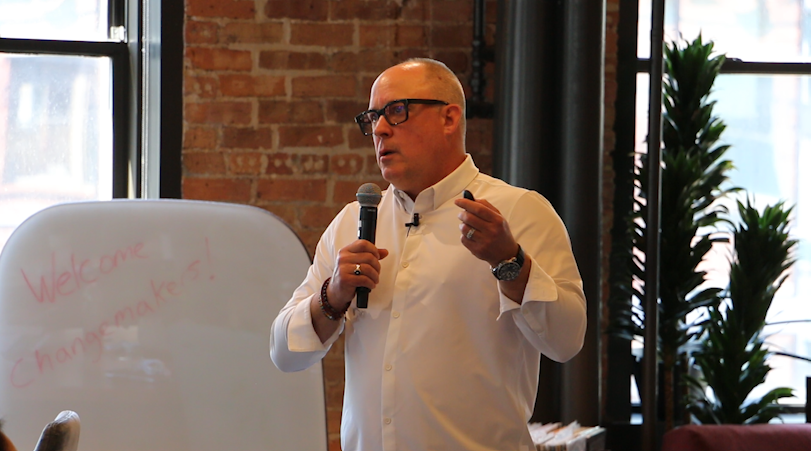
"Every system produces the results that it is uniquely designed to do... If you want to change it, then we have to change the system, not the people."
1. Fix Broken Processes Before Adopting AI
Speaker: Craig Maki, Chief Strategy Officer at Provisio
AI will only compound systemic problems unless they are addressed first. Drawing on the pioneering systems theories of W. Edward Deming, this session addressed why the vast majority of AI initiatives collapse: organizations routinely unleash AI onto untrustworthy data or fractured internal workflows.
To mitigate risk, leaders must look upstream to fix broken processes instead of expecting AI to fix them. After all, AI is only as good as the data and the processes that feed it.

"AI amplifies the structure and the process. It does not create it. If you rely on AI to create the process, it's not going to pick up the nuances of how you operate."
2. Community Needs Must Drive Data Strategy for AI
Speaker: Jered Pruitt, Chief Business Growth Officer at Chinese American Service League
Don't let your current database dictate your future strategy. Most nonprofits get stuck in a compliance loop, asking only the questions that satisfy old grant checklists, but true innovation happens when you ask first what your community actually needs.
At CASL, this meant using a single database to keep internal tracking highly accurate, while letting AI handle the tedious work of scanning, changing state and federal budgets to predict funding drops early. AI is incredibly powerful at summarizing massive stacks of public documents, but it completely lacks the lived-on-the-ground knowledge and human judgment needed to understand your clients' real lives.

"Don't accept that software isn’t a programmatic cost. Don't accept that it's purely administrative.
Don't accept 'I don't have the admin budget for this
' or 'I don't have the indirect budget for that.'
That is just telling you you're not thinking about it from the perspective of your mission."
3. AI is a Direct Programmatic Cost, not Administrative Overhead
Speaker: Chris Shue, Co-Founder at Tereo Group
AI must be budgeted as a programmatic necessity, not an administrative luxury. Nonprofits often stay trapped trying to squeeze critical technology upgrades out of razor-thin administrative or indirect cost budgets.
If an automated system directly handles programmatic tasks, like safely moving client records across multiple siloed funding databases to speed up response times, it explicitly qualifies as a direct programmatic expense because it legally relieves your staff's administrative capacity.
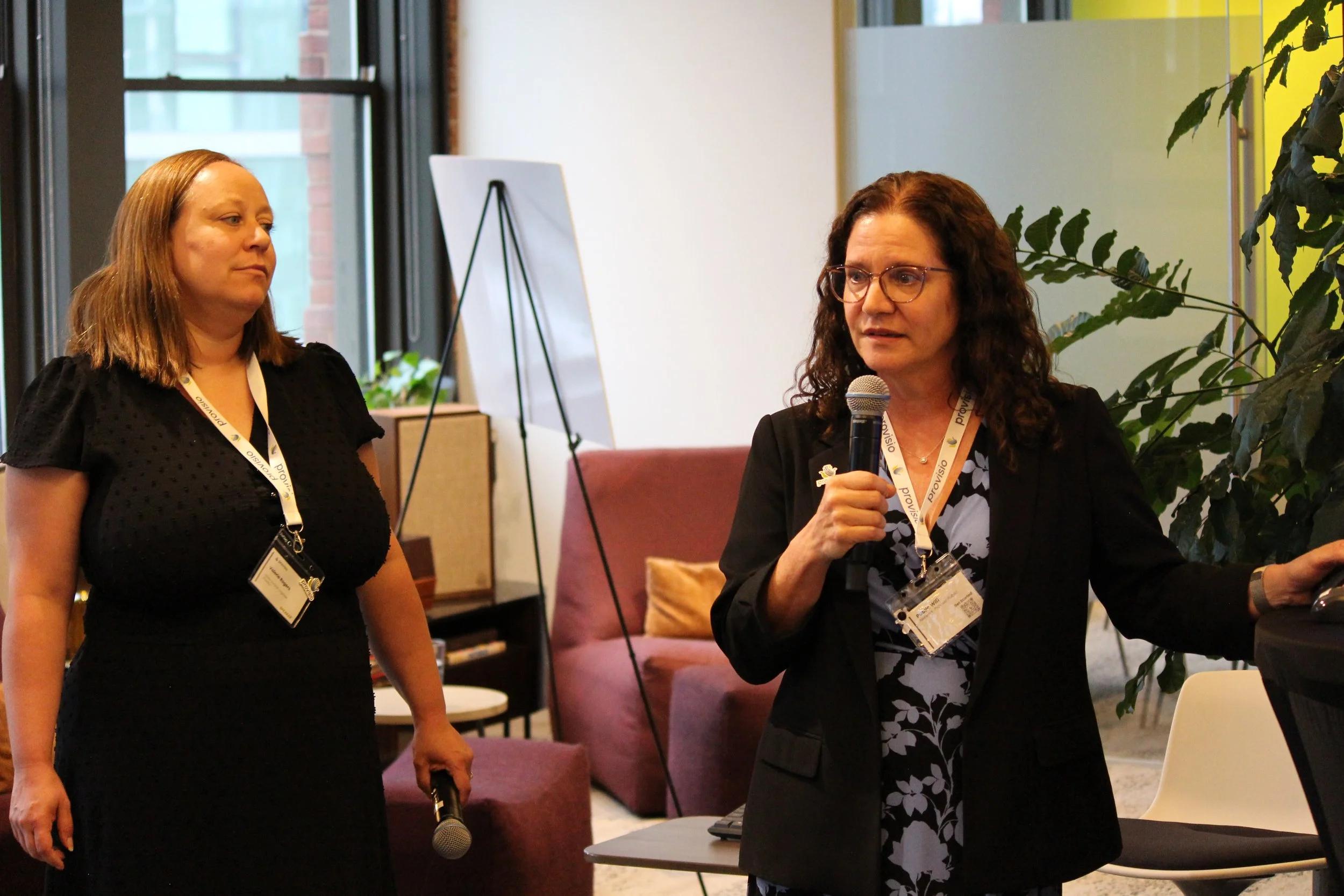
"The old way: collect everything. The new way: minimum viable data. Feed the model only good, reliable information... If your AI solution has to look at 3x the amount of data that it actually needs, it's gonna cost a lot more."
4. Prioritize Minimum Viable Data When Developing Your First AI Use Case
Speaker: Erica Cox, CIO at Provisio
Embrace Minimum Viable Data (MVD) over legacy data dumps. In AI development, more data is rarely better—recent context is everything. Dumping vast amounts of legacy data only slows down processing, inflates token consumption costs, and triggers LLM hallucinations.
The most reliable way to achieve success with AI is to focus on Minimum Viable Data, which is the smallest set of reliable information necessary to achieve your goal.
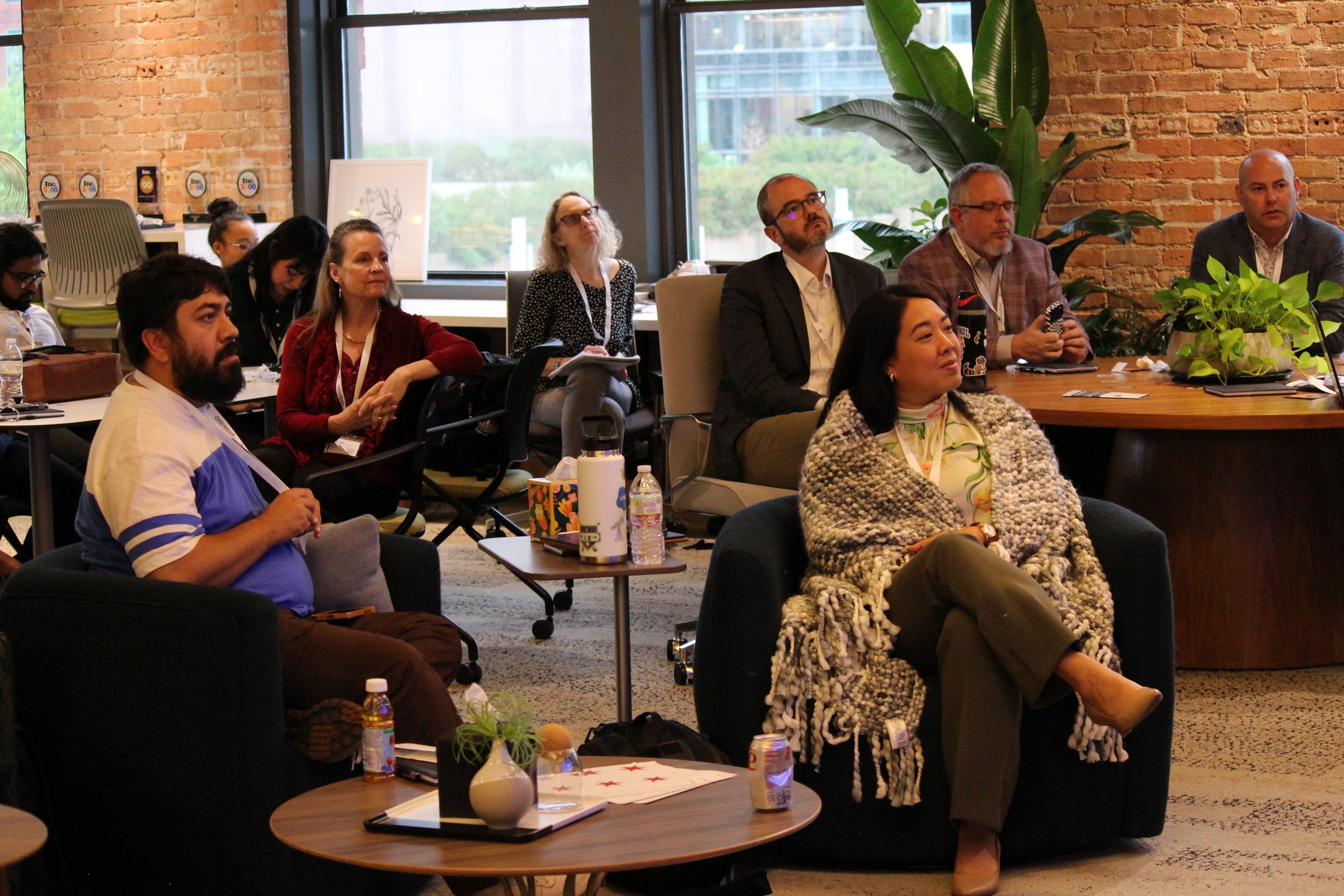
"A lot of times with AI, we try to negate or extinguish risk, and that's just not realistic... It's about knowing those risks and what you're willing to do in the escape plan when it doesn't work.
Everybody wants to celebrate when it works, but guess what? It's not gonna work sometimes, too. And that's okay."
5. Build Governance Around Operational Bottlenecks
Speaker: Craig Maki, Chief Strategy Officer at Provisio
Instead of building boilerplate board policies, establish data governance from actual operational bottlenecks. Strategic governance must begin by identifying and listing specific operational fears openly, without immediate value judgments.
A major, overlooked risk highlighted was the unintended consequence of operational success. For example, deploying an incredibly efficient, AI-powered intake tool can double client onboarding overnight. However, if your caseworkers are already at maximum capacity, your organization won’t be able to accommodate all of your new clients, creating a major systemic failure due to a lack of strategic planning
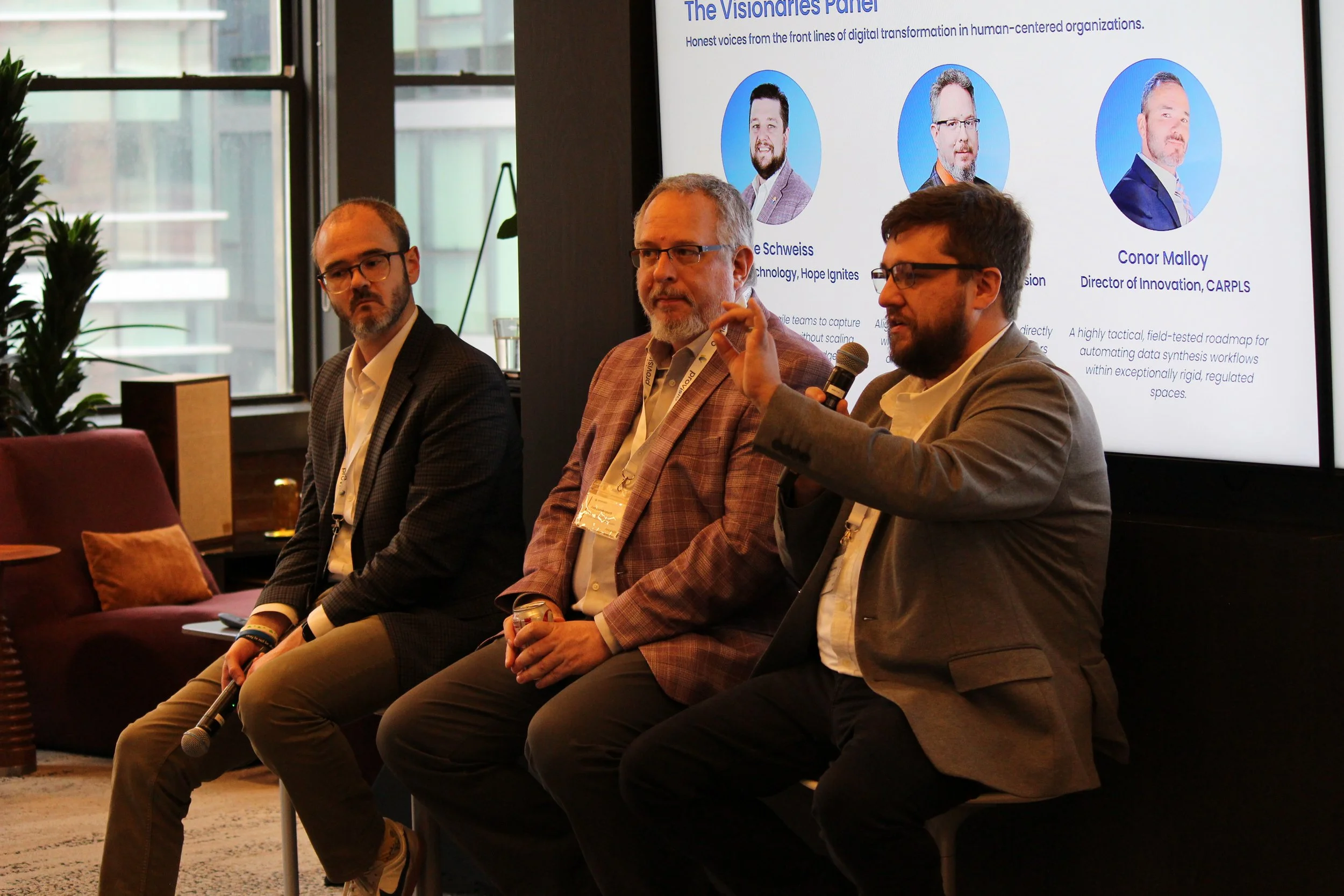
"65% of our employees are social workers. They don't want to use a computer all day. They don't want to do case notes. They don't want to do all the crap we tell them to do.
But if this makes it easier... that empowers them and excites them in a way."
— Pete Schweiss, Director of Technology Services at Hope Ignites
6. AI Cannot Govern Itself or Organize a Messy Workflow
Panelists: Jon Davenport (CIO, Higher Learning Commission), Conor Malloy (Director of Innovation, CARPLS), & Pete Schweiss (Director of Technology Services, Hope Ignites)
The panelists uniformly rejected the idea that AI is meant to displace staff, explaining that human experts are required to act as the primary governors and "wranglers" of algorithmic outputs.
Organizations face a massive compliance liability from invisible AI features built directly into everyday commercial tools (like Indeed candidate screeners or QuickBooks insights) that capture proprietary data without asking. Leaders must create restricted, sanctioned sandboxes to keep organizational data secure.
Software will fundamentally fail if an agency has not cleanly mapped out its manual processes first. Technology cannot organize a workflow that humans do not already understand.
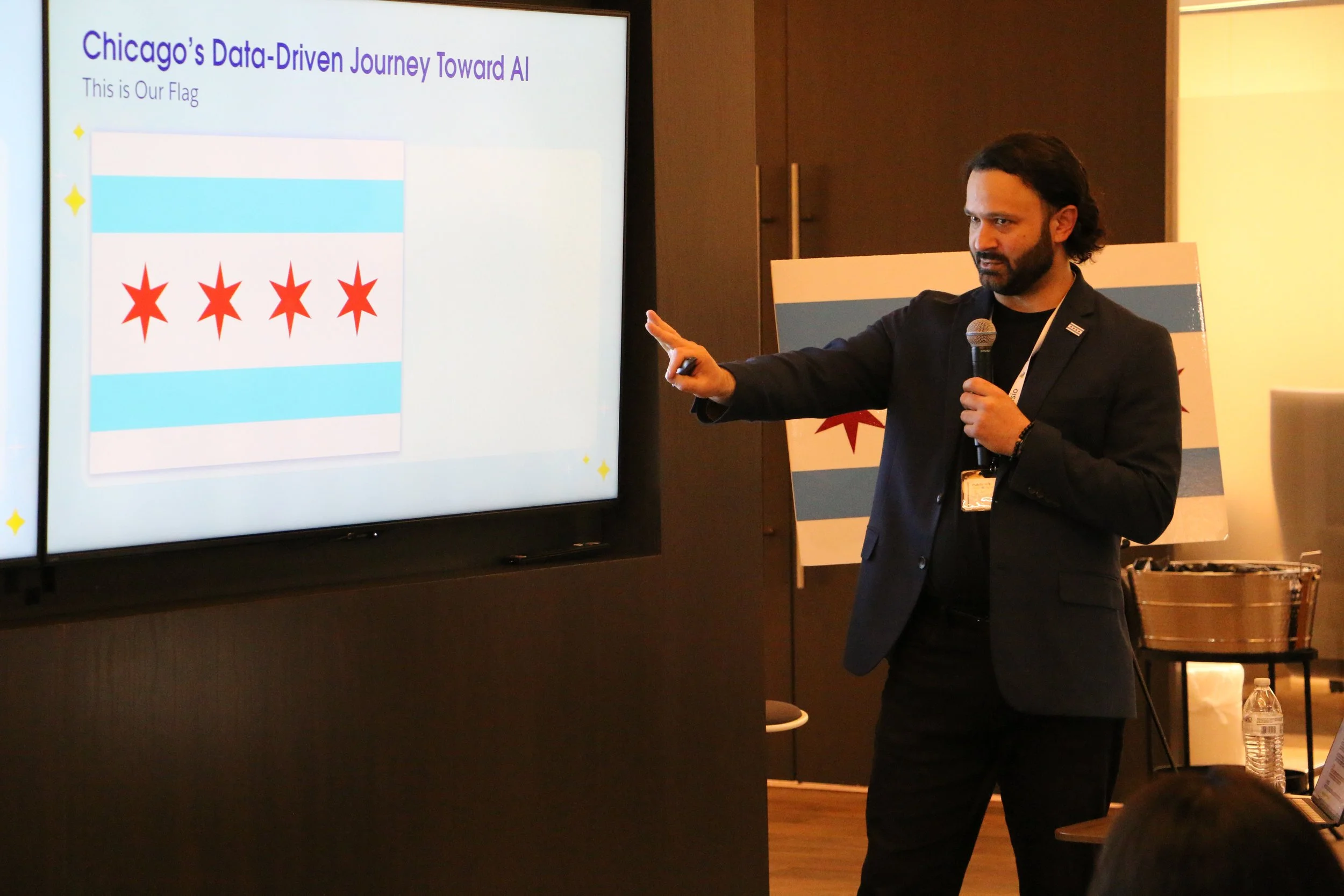
"Walk into a meeting, you've got three people sitting at the table. One's got a spreadsheet, one's got a PDF, one's got a post-it note... three different numbers and conversations.
And those conversations turn into arguments... about just whose number is right rather than what the number meant. THAT was our data swamp."
— Lewis Powell, Deputy Budget Director at the City of Chicago, Office of Budget Management
7. Siloed Data Destroys Organizational Trust
Speakers: Lewis Powell (Deputy Budget Director, City of Chicago) & Ben Goodman (Principal Analytics Solution Engineer, Tableau)
Siloed data doesn't just create technical lag. It systematically destroys organizational trust. Powell and Goodman walked leaders through Chicago’s multi-year migration out of a massive systemic "data swamp.”
In a complex organization featuring 40 separate departments and a $17 billion budget, the ultimate threat was stakeholders bringing contradictory data to the table. True transformation was achieved by standardizing an enterprise reporting structure using Tableau Prep Conductor, which earned the internal trust needed to deploy critical dashboards during a crisis.
Turning AI Insights Into Action for Nonprofits & Public Sector Agencies

The key takeaway from the Changemaker Collaborative Chicago was clear: AI cannot create a strategy for you or repair flawed processes. That groundwork must be laid beforehand. However, when AI is applied on top of clearly defined processes and strict guardrails, it can significantly transform service delivery.
